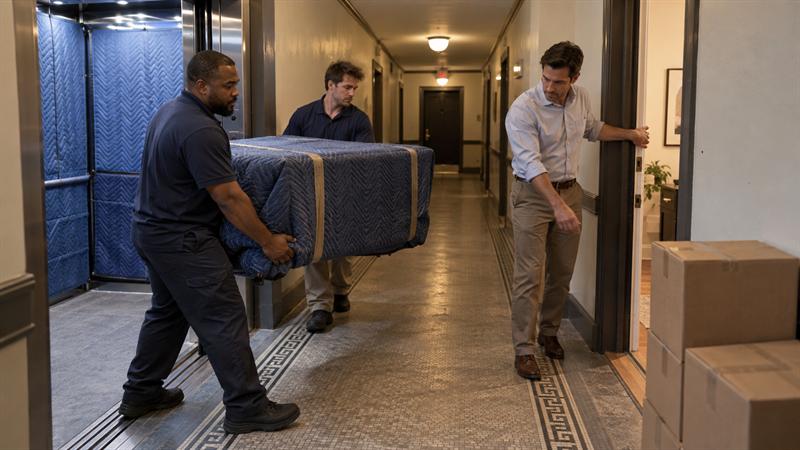

Quick Answer: A moving inventory checklist should list major furniture, packed boxes, fragile or oversized items, storage contents, and access conditions at both locations. A room count alone does not show the full scope of a move, which can lead to incomplete quote conversations and changes to the plan later.
Before booking movers, create an inventory that shows what is moving, what needs extra attention, and what the crew will encounter at pickup and delivery. H and U Express Moving uses these details to help customers describe home moves clearly, especially when large furniture, fragile belongings, stairs, limited parking, or storage are involved.
What Is a Moving Inventory Checklist?
A moving inventory checklist is a practical record of the belongings included in a move and the conditions that affect how those belongings are moved. It should cover major furniture, estimated box counts, unusual items, and access details such as stairs, elevators, parking, and tight entryways.
It is different from a general moving to-do list. A to-do list covers tasks such as transferring utilities or changing an address. A moving inventory focuses on the actual move scope, giving a moving company a clearer picture of the work involved.
A Moving Inventory Is More Than a List of Boxes
Boxes matter, but they are only one part of the move. A useful inventory separates standard packed items from the details that can change the moving plan.
- Major furniture: sofas, beds, dressers, dining tables, desks, bookcases, and appliances.
- Special belongings: fragile glass, mirrors, artwork, heavy equipment, antiques, and oversized pieces.
- Move conditions: stairs, elevators, parking distance, narrow hallways, gates, and storage-unit access.
Exclude items that will be sold, donated, left behind, or moved separately. An inventory should reflect the belongings that will actually be loaded and delivered, rather than everything currently in the home.
Why Make a Moving Inventory Before Requesting a Quote?
A moving inventory gives a mover more useful information than the number of bedrooms in a home. Two homes with the same room count can require different planning when one includes a packed garage, a large sectional, several flights of stairs, or belongings in a separate storage unit.
A clear list supports a more informed conversation about the move. It helps identify potential needs for labor, truck space, furniture protection, packing assistance, storage, or special handling. For a fuller pre-quote checklist, review the information to share when requesting a moving quote.
What a Clear Inventory Helps a Moving Team Plan
- Major furniture and the approximate volume of packed belongings.
- Fragile, unusually heavy, or awkwardly shaped items.
- Furniture protection and possible disassembly needs.
- Access conditions at both pickup and delivery locations.
- Belongings in a storage unit or another location.
A move may sound simple because the main rooms are modest, while the garage, patio, or storage unit holds a large share of the volume. Including those spaces helps keep the moving plan aligned with the belongings that still need to be moved.
Moving Inventory Checklist: What to List Room by Room
A room-by-room approach is one of the simplest ways to build an inventory list for movers. List the major pieces in each area, estimate packed boxes, and flag anything large, fragile, valuable, unusually heavy, or difficult to access.
Use this list alongside a complete local moving checklist so the inventory stays connected to the rest of the moving timeline.
Living Room and Family Room
- Sofas, sectionals, recliners, chairs, coffee tables, and side tables
- Bookcases, entertainment centers, television stands, and televisions
- Lamps, mirrors, artwork, rugs, and decorative items
- Furniture that is oversized, unusually heavy, or likely to need disassembly
Do not describe a large sectional simply as “a couch.” Note whether it has multiple pieces, whether it is on an upper floor, and whether narrow doors or turns sit between the room and the exit. Large furniture may require additional planning when the route out of the home is tight.
Bedrooms and Closets
- Beds, mattresses, bed frames, dressers, nightstands, armoires, and mirrors
- Desks, chairs, shelving, and under-bed storage
- Clothing boxes, wardrobe boxes, and packed closet contents
- Furniture that needs to be taken apart before it can be moved
Bedroom counts do not show how much furniture is actually present. A room with a bed, dresser, desk, packed closet, and storage bins requires more preparation than a lightly furnished guest room.
Kitchen and Dining Areas
- Dining tables, chairs, bar stools, buffets, and china cabinets
- Microwaves, small appliances, cookware, pantry items, and packed cabinets
- Dishware, glassware, serving pieces, and other breakable contents
- Large appliances or furniture pieces that need special attention
Kitchen contents are easy to underestimate because cabinets and pantries can hold more than they appear to. Identify fragile dishware and glassware separately from ordinary boxes, particularly when professional packing or extra protective materials are part of the plan.
Home Office, Electronics, and Media
- Desks, office chairs, filing cabinets, bookshelves, and printers
- Computers, monitors, televisions, speakers, and gaming equipment
- Cables, accessories, and loose components that need to be gathered before packing
- Heavy filing cabinets or delicate equipment requiring careful handling
Home-office items are often packed late because they are used until the last day. That can leave loose cables, unpacked equipment, and additional boxes that were not reflected in the original inventory. Add these items early, then update the list as the room is packed.
Garage, Attic, Shed, Storage Unit, and Outdoor Areas
- Toolboxes, shelving, lawn equipment, bicycles, and exercise equipment
- Patio furniture, grills, planters, outdoor décor, and storage bins
- Seasonal items stored in an attic, shed, or detached space
- Belongings in off-site or on-site storage units
These spaces can create some of the largest inventory gaps. A garage or storage unit may hold dense, heavy, and awkward items that were not included in the first estimate. If those belongings are part of the move, list them before booking rather than treating them as an add-on on moving day.
Items That Need Extra Detail on Your Inventory
Most everyday belongings can be grouped by room and category. Certain items need their own line on the inventory because their size, weight, fragility, shape, or location affects how they need to be handled.
For a closer look at these belongings, see what items require specialty moving services. The key is to describe the items that change the work, not only the items that fill the home.
Large, Heavy, or Awkwardly Shaped Items
- Large sectionals and oversized cabinets
- Dense bookcases and heavy exercise equipment
- Large appliances and bulky outdoor furniture
- Items with an unusual shape or a difficult path through the home
Include approximate measurements when an item may not fit easily through a doorway, hall, stairwell, or elevator. Photos are useful when the challenge is not obvious from the item name alone. Consider both the item’s size and the path it must travel to reach the truck.
Fragile, Valuable, and Sentimental Belongings
Glass, mirrors, artwork, antiques, heirlooms, delicate décor, and sensitive electronics should be clearly flagged on the inventory. These items should not disappear inside a general note that says “miscellaneous boxes.”
Clear descriptions help avoid confusion. A box of linens does not require the same handling discussion as a box of framed artwork or fragile glassware. Identifying the difference early helps determine whether added packing support or protective supplies are relevant.
Furniture That May Need Disassembly or Reassembly
Bed frames, large tables, modular shelving, and some desks cannot always be moved as one piece. List the item, note unusual assembly requirements, and keep hardware organized when possible.
Disassembly needs should be part of the move conversation because the item, its condition, and the access path can affect the plan.
Do Not Forget These Move-Access Details
Your inventory should describe both what is moving and how movers will reach it. Household contents are only part of move planning; access conditions also shape the work involved.
Pickup and Delivery Location Details
- Full pickup and delivery addresses
- House, apartment, condo, or other property type
- Floor level and any additional pickup or delivery locations
- Items being collected from a garage, storage unit, or separate address
Include multiple locations from the beginning. A storage-unit pickup or second delivery stop changes the scope of the move and should be part of the initial conversation.
Stairs, Elevators, Parking, and Walking Distance
- The number of stair flights and where they are located
- Elevator availability, reservation requirements, and loading rules
- Parking options, gates, entry codes, and restricted areas
- The distance between the truck’s parking location and the entrance
If there are stairs, limited parking, or a long walk from the loading area to the door, the move needs more than a basic room count. Building requirements are best identified before the move date is set, since access restrictions can affect the loading and unloading process.
Tight Access and Difficult Furniture Paths
Narrow doors, winding staircases, tight hallways, low-clearance areas, and sharp turns should be recorded before booking. Measure the narrowest path when there is doubt about whether a large item will fit.
Difficult access can become a last-minute issue when the furniture is listed but the route is not. A large piece that fits inside a room does not automatically fit through the exit path. When the route is tight, photos and measurements provide useful information for planning around the obstacle.
How Detailed Should a Moving Inventory Be?
A moving inventory should be detailed enough to show the true scope of the move, but it should not become an exhausting catalog of every small household item. Use broad categories and approximate counts for standard belongings, then add specific details for items that change handling, access, or protection needs.
When Category Counts Are Enough
- Standard moving boxes and bins
- Books, clothing, linens, and ordinary décor
- Kitchen goods that are already packed
- Routine household items grouped by room
“Ten packed bedroom boxes” is generally more useful than listing every shirt or book inside them. The inventory should show volume and readiness without creating unnecessary paperwork.
When to Include Photos, Measurements, or Notes
- An item is oversized, unusually shaped, fragile, valuable, or unusually heavy.
- Furniture must pass through narrow doors, hallways, stairs, or elevators.
- The item needs disassembly or has special components that should stay together.
- Contents are located in a storage unit, patio, shed, attic, or other nonstandard space.
Use extra detail where it changes the moving plan. A standard chair usually needs a count. A large cabinet facing a narrow stairwell needs dimensions, route details, and a clear description.
How to Use Your Inventory When Comparing Moving Options
Use the same current inventory when speaking with each moving company. Comparing options is more meaningful when each company is working from the same list of belongings, access conditions, and service needs.
Review what is included in each moving option alongside the inventory. H and U Express Moving offers hourly moving packages that include protective supplies, giving customers a clear starting point for discussing the work involved rather than comparing vague descriptions.
Confirm What Is Included Before You Book
If your inventory includes difficult access, fragile belongings, heavy furniture, or storage contents, discuss the plan before moving day.
- You have large furniture that needs to pass through narrow spaces or up and down stairs.
- You have glass, artwork, electronics, or other fragile belongings that should not be treated like ordinary boxes.
- You are moving items from a garage, shed, balcony, or storage unit in addition to the main home.
- Your move-out and move-in dates do not line up, creating a storage gap.
These details can affect whether packing services, additional protection, handling for large or fragile items, or short-term or long-term storage should be part of the move plan.
Key Takeaways
- Build your moving inventory room by room, starting with major furniture and approximate box counts.
- List large, fragile, valuable, awkward, or disassembly-required belongings separately.
- Include garages, sheds, patios, balconies, attics, and storage units, not only main living spaces.
- Record stairs, elevators, parking, long carries, building rules, and tight access at both locations.
- Use the same updated inventory when requesting and comparing moving quotes.
Conclusion: Bring a Clear Inventory to Your Moving Quote Conversation
The challenge is not simply forgetting an item. It is failing to show the full move scope before a plan is made. When major furniture, packed storage, fragile belongings, or access limitations are omitted, the move discussion may no longer reflect the work involved.
Build the inventory before you book, update it as plans change, and bring it to the quote conversation. H and U Express Moving can help New Orleans-area customers discuss home moves that involve hourly package options, protective supplies, packing, storage, or large and fragile belongings. A complete inventory gives the move a defined starting point instead of leaving important details for moving day.
FAQ: Moving Inventory Checklist Questions
Do movers need an inventory list?
Movers benefit from an inventory list because it shows the actual scope of the move, not just the address and room count. The list should identify major furniture, estimated box volume, fragile or heavy belongings, and access conditions at both locations.
For example, two one-bedroom apartments can require different planning if one includes a large sectional, a packed storage unit, and stairs. The inventory makes those differences visible before the move is underway.
What should be included in a moving inventory checklist?
A moving inventory checklist should include major furniture, approximate box counts, fragile or oversized items, furniture that needs disassembly, belongings in garages or storage units, and access details for pickup and delivery.
The distinction that matters most is between belongings and access. A complete inventory lists what is moving, while a useful moving inventory also explains the stairs, elevator rules, parking distance, narrow paths, or second locations involved in moving it.
Should I include boxes in my moving inventory?
Yes, include boxes, but use approximate counts by room or category rather than listing every item inside ordinary boxes. Also note whether the boxes are already packed.
For example, “eight packed kitchen boxes” gives a clear sense of volume. An unpacked kitchen with glassware, small appliances, and pantry goods needs a different note because the contents still require sorting and packing.
How detailed should a moving inventory be?
A moving inventory should be detailed enough to show the move scope without becoming a full catalog of every household possession. Standard boxes, clothes, books, and routine items can be grouped by category.
More detail belongs with large, fragile, heavy, valuable, awkward, or difficult-to-access belongings. A large cabinet near a narrow stairwell needs more than a simple item name because the route affects how that piece is planned.
What information affects a moving quote besides the number of rooms?
Major furniture, box volume, special handling needs, stairs, elevators, parking distance, building rules, tight access, and multiple pickup or delivery locations can all affect move planning. A room count is only a starting point.
A smaller home with a packed garage, heavy furniture, and limited parking can require more work than a larger home with easy ground-level access. The inventory explains why the moves are different.
When should I update my moving inventory?
Update your moving inventory whenever the contents or logistics change. Selling furniture, donating items, adding storage-unit contents, packing more boxes, or deciding to leave appliances behind can all change the move scope.
The final list should reflect what will actually be moved, not what was in the home when planning first began.