
Quick Answer: A local moving checklist works best when it follows a clear timeline from 6–8 weeks out through move-in day. Without that structure, important steps are easier to miss, which can lead to delays, added costs, and a more stressful move.
Most moves do not feel difficult at the start. The pressure builds when packing, scheduling, and coordination all start competing for attention at the same time.
At H and U Express Moving, this is usually where problems begin—not on moving day itself, but in the weeks leading up to it, when planning is incomplete or rushed.
Why a Local Moving Checklist Matters More Than You Think
A checklist is more than a reminder of tasks. It is a timeline that helps keep each step in the right order. When key steps happen too late or out of sequence, the move becomes harder to manage.
- Late booking can limit availability and narrow your options
- Poor packing can slow loading and unloading
- Missed details can create last-minute scrambling
One of the most common issues is pushing too many tasks into the final days before the move. That usually leads to rushed packing and a less efficient moving day.
6–8 Weeks Before Your Move
This stage sets the direction for everything that follows. Early decisions affect cost, timing, and how organized the move feels later.
Set Your Moving Date and Budget
Choose a realistic timeline first. Flexible dates can make scheduling easier and help avoid limited availability.
Your budget should account for more than transportation. Labor time, packing materials, and possible storage needs can all affect the total cost.
Research and Compare Local Movers
Look for clear pricing, defined services, and straightforward communication. Rushed decisions here often create avoidable issues later.
Understanding how local home moving services are typically structured can help set expectations before moving day.
Choosing based only on price can lead to tradeoffs in service, efficiency, or preparation.
Start Decluttering
Every item you keep adds time to packing, loading, and unloading. Reducing what you move makes the process easier from start to finish.
- Remove items you no longer use
- Separate essentials from items that can stay in storage
- Avoid packing things you already know you will not need
3–4 Weeks Before Moving Day
This is where planning turns into action. Delays during this phase often carry into the final week.
Book Your Moving Company
Waiting too long can limit your scheduling options and leave you with fewer choices.
Booking early also makes planning easier. You can request a moving quote based on real details instead of rushing through last-minute estimates.
Begin Packing Non-Essentials
Start with items you do not use every day. Packing in stages keeps the workload manageable.
Packing almost always takes longer than expected. When it runs behind, unfinished boxes can slow down the move on moving day.
Gather Supplies or Consider Packing Services
Packing usually requires more materials than people expect. Boxes, padding, tape, and protective wrapping all need to be accounted for.
Doing it yourself can work, but poor packing can increase handling time and raise the chance of damage. Many people find that using professional packing services helps keep the move more organized and efficient.
1–2 Weeks Before the Move
This is the coordination phase. Small gaps in planning here often show up as delays on moving day.
Confirm Details with Movers
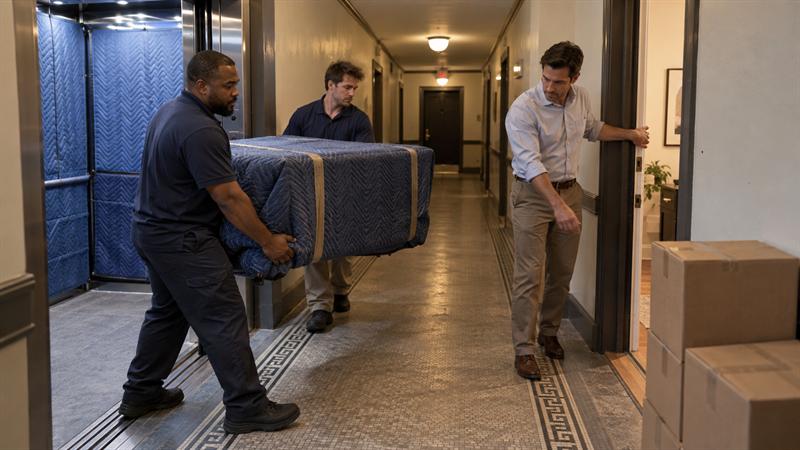
Review timing, inventory, and access points. Parking, stairs, elevators, and entryways can all affect how smoothly the move goes.
Missing details at this stage can slow down loading and create avoidable complications.
Transfer Utilities and Update Address
Schedule utilities ahead of time so essential services are active when you arrive. Update your address to help avoid missed mail and deliveries.
Prepare Fragile and High-Value Items
Items like glass, electronics, artwork, and antiques need careful preparation. Improper packing is a common cause of preventable damage during a move.
For more complex items, proper handling matters even more. Learn more about handling fragile or oversized items to help reduce avoidable issues.
Moving Week Checklist
This week has a direct impact on how efficient moving day will be. The more prepared you are now, the smoother the day tends to run.
Pack Essentials Separately
Set aside the items you will need right away, such as medications, chargers, toiletries, and basic kitchen supplies. This helps you avoid digging through boxes on the first night.
Label Boxes Clearly by Room
Clear labeling helps movers place items in the right space the first time. That can speed up unloading and reduce confusion.
Unclear or inconsistent labels often create extra work once everything arrives at the new home.
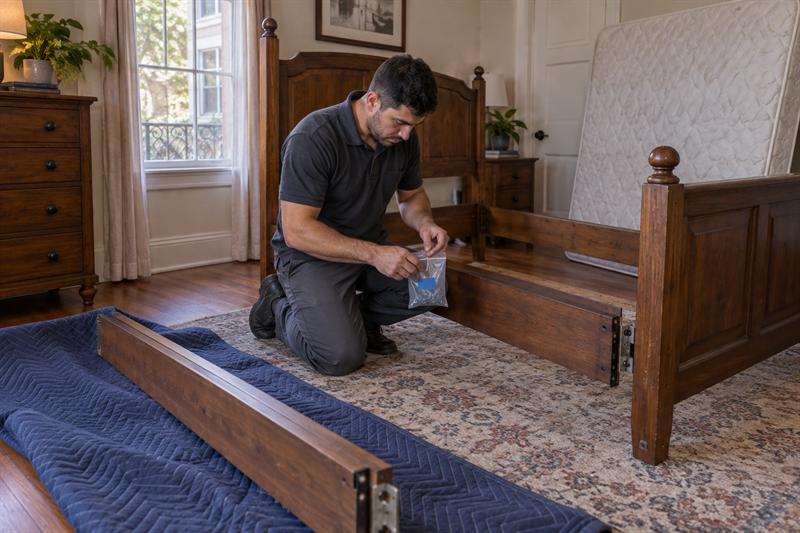
Disassemble Furniture
Break down large furniture in advance where possible. This can help reduce delays during loading.
If items are not ready, time that could be spent moving may instead go to last-minute disassembly.
Moving Day Checklist
This is where preparation shows. A well-organized move usually runs faster and with fewer interruptions.
Prepare the Home for Movers
Clear walkways and group packed boxes near exits when possible. This helps keep the process moving steadily.
Protect Floors and Entryways
Cover high-traffic areas when needed to help reduce wear during the move.
Final Walkthrough
Check closets, cabinets, storage areas, and outdoor spaces before leaving. Items left behind are often not discovered until later.
If your move already looks like this, it is time to tighten up the plan:
- Boxes are still not fully packed the day before
- Rooms are not labeled or organized
- Furniture is still fully assembled
- You are still unsure of timing or access details
That usually leads to a longer moving day and more unnecessary stress.
After Move-In: What Most People Forget
Unloading is not the final step. What you do after arrival matters too.
Check Inventory
Confirm that all major items arrived. It is easier to catch missing items while the move is still fresh.
Unpack Strategically
Start with essential spaces like the kitchen, bathroom, and bedroom. This helps your home feel functional faster.
Inspect for Damage
Check fragile and high-value items early. The sooner you notice a problem, the easier it is to sort out what happened.
Common Local Moving Mistakes to Avoid
- Booking movers too late
- Underestimating packing time
- Not labeling boxes clearly
- Being unprepared on moving day
- Providing incomplete or inaccurate inventory details
These issues tend to build on each other. Small oversights early can create bigger problems later in the move.
When to Hire Professional Movers vs DIY
DIY can work for smaller, simpler moves. As the number of items or level of coordination increases, it becomes harder to manage efficiently on your own.
Professional movers are often a better fit when:
- You have large or heavy furniture
- You are working with limited time
- You need careful handling of fragile items
- You want a more predictable moving schedule
Many people underestimate how much time, lifting, and coordination a move actually requires. Extra help can make the process more manageable.
Key Takeaways
- A timeline-based checklist helps keep your move organized
- Preparation affects both time and cost
- Poor planning can lead to delays and added stress
- Professional support can simplify the process
Conclusion
Most moving problems build over time. Missed steps, poor timing, and rushed decisions can create delays and add unnecessary effort.
A structured checklist helps keep everything in order and reduces the chance of those issues piling up. It gives you a clearer plan at each stage instead of forcing last-minute decisions.
At H and U Express Moving, the goal is to keep local moves organized, efficient, and easier to manage. If your move is coming up and you want to avoid the common problems outlined here, it helps to plan early and request a quote before the schedule gets tight.
Frequently Asked Questions
What should be on a local moving checklist?
A local moving checklist should include tasks organized by timeline, from early planning through move-in. That usually includes booking movers, packing, labeling, updating your address, and confirming logistics.
How far in advance should you prepare for a local move?
Preparation often starts 6–8 weeks before moving. That gives you enough time to plan, pack, and secure scheduling without rushing.
What should you do the week before moving?
The focus should be on finishing packing, labeling boxes, setting aside essentials, and confirming the final details. Being prepared ahead of time helps the move stay on track.
How do you organize a local move efficiently?
Use a timeline-based checklist and pack room by room. Clear labeling, steady preparation, and confirmed logistics all make loading and unloading easier.
Is hiring movers worth it for a local move?
Hiring movers is often worth considering when the move involves limited time, heavy furniture, fragile items, or multiple coordination points. It can reduce the workload and make the day easier to manage.
What are the most common moving mistakes to avoid?
Common mistakes include booking too late, underestimating packing time, labeling poorly, and leaving too many details unresolved until the last minute.