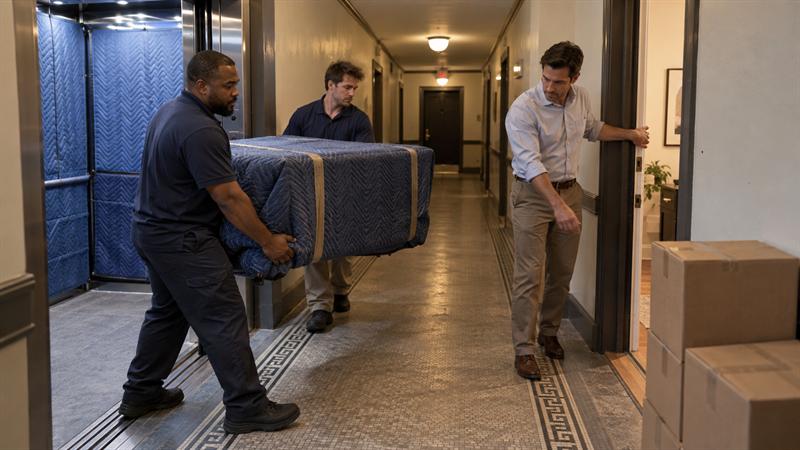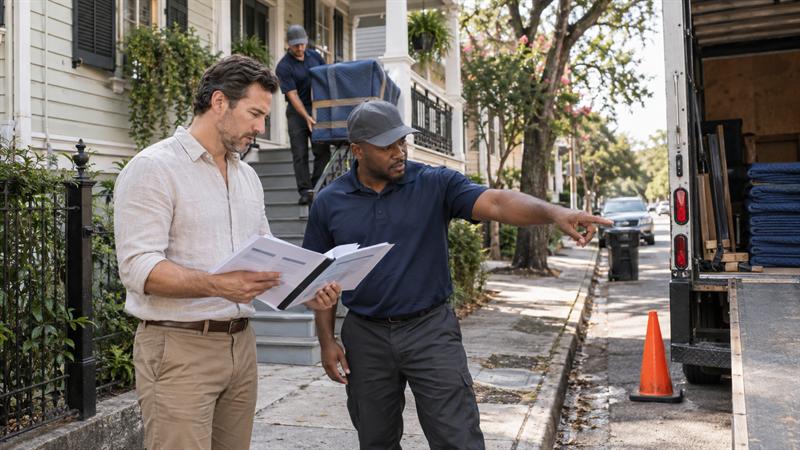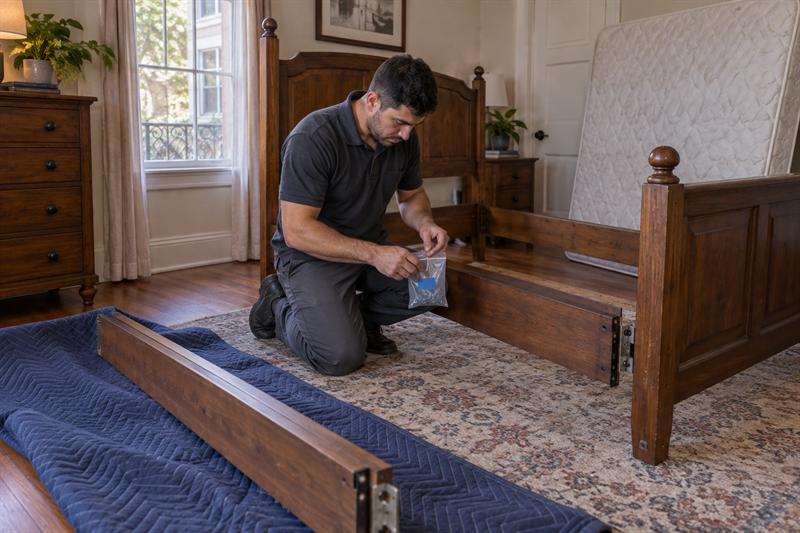

Packing is where many moves begin to feel unmanageable. A few boxes can quickly become an unfinished kitchen, crowded closets, fragile décor, and a move date that is getting closer.
At H and U Express Moving, packing support is not treated as an all-or-nothing choice. Full packing, partial packing, and fragile-focused help address different moving needs, so the right scope starts with identifying what is actually holding the move up.
Full Packing vs. Partial Packing Services at a Glance
Full packing generally means professional packers prepare most household belongings included in the agreed scope. Partial packing limits the work to selected rooms, items, or categories. Fragile-only packing focuses on breakables and delicate belongings that need more careful preparation.
- Full packing: A strong fit when most of the home remains unpacked, the timeline is tight, or the household has a large volume of varied belongings.
- Partial packing: A practical fit when routine items are manageable but certain rooms or categories are creating the most work.
- Fragile-only packing: A focused option when most packing is complete but dishes, glassware, art, mirrors, lamps, or delicate décor still need attention.
The difference is scope. Full packing covers broad household preparation, while partial packing narrows the work to the places where packing is slowing the move down. If you are still deciding whether to hire packing help at all, review professional packing versus DIY packing.
What Is a Full Packing Service?
A full packing service provides broad support for most contents in the home before loading begins. It is generally designed for moves where the remaining packing workload is too large to complete comfortably without help.
What Full Packing Commonly Covers
Full packing commonly includes areas such as kitchens, bedrooms, living rooms, closets, and decorative spaces. Packers prepare belongings included in the scope using appropriate boxes, wrapping materials, cushioning, and labeling.
Not every item belongs in the general packing plan. Medication, important documents, keys, valuables, chargers, travel items, and first-night essentials are generally best kept accessible. It helps to decide in advance which items should remain with you rather than be packed with household goods.
Who May Benefit Most From Full Packing Help
Full packing can be useful when most of the home is still unpacked. It can also fit households with extensive kitchen contents, many decorative belongings, full closets, or several storage areas that have not been sorted.
The final portion of packing is easy to underestimate. Books, clothing, and simple household items may get boxed first, while breakables, mixed drawers, closets, garages, and “deal with this later” areas remain. That can lead to rushed decisions near move day and boxes that are harder to organize after arrival.
What to Confirm Before Scheduling Full Packing
- Which rooms and belongings are included in the packing scope
- When packing will take place in relation to loading and move day
- How boxes, wrapping materials, and protective supplies are handled
- Which belongings should be set aside before packing begins
- Whether large, fragile, unusually shaped, or restricted items need special instructions
Full packing works best when you have decided what is moving, what is staying, and what is going into storage. If those decisions remain unsettled, packing can slow down because each room requires new direction.
What Is a Partial Packing Service?
Partial packing covers selected rooms, item categories, or high-effort areas instead of the entire home. It is often the practical middle ground for customers who can pack standard belongings but need help where the workload becomes more demanding.
Common Partial-Packing Options by Room or Item Category
Partial packing can be organized around the parts of a home that take the most time or need more careful handling. Common examples include:
- Kitchens and dining rooms with dishes, glassware, cookware, and small appliances
- Living spaces with lamps, electronics, artwork, and decorative belongings
- Closets, garages, storage rooms, and other areas left until the last minute
- Large, fragile, or difficult-to-box items that need a deliberate packing plan
In many homes, clothing, linens, books, and basic household items are packed while the kitchen and fragile décor remain. Those spaces contain numerous small items, breakables, and mixed categories, which is why they can hold up the rest of the move.
When Partial Packing Is the Practical Middle Ground
Partial packing can make sense when the home is mostly organized but a few areas are creating pressure. It allows customers to pack personal belongings themselves while assigning the most time-consuming work to professional packers.
It also creates a clearer division of responsibility. The customer handles routine items, while the packing crew focuses on rooms or belongings where careful preparation matters most.
Targeted packing help may be useful if any of these situations apply:
- The kitchen, dining area, garage, or storage room is still largely unpacked.
- Breakables are being left until the final days before the move.
- Boxes are being filled without labels because the packing timeline has become rushed.
- Large or delicate belongings have no clear packing or handling plan.
When these areas are left unresolved, the move can become disorganized just as loading needs to begin. A defined partial packing plan gives those problem areas a clear place in the move schedule.
How to Define the Scope Clearly
Partial packing needs a specific list. “Help with a few things” does not provide enough detail to plan labor, materials, or timing.
List the rooms, items, and categories that need support. Note stairways, elevators, tight spaces, storage units, or other access conditions that affect the move. This connects packing to the rest of the process, including the moving-day process from arrival through the final walkthrough.
When Fragile-Only Packing May Be the Better Choice
Fragile-only packing is often a clear fit when routine packing is complete but delicate belongings still need attention. It is not simply a reduced full-packing service. It is a focused plan for items that need careful wrapping, cushioning, box selection, and labeling.
Items That Often Need More Careful Preparation
- Dishes, glassware, stemware, and ceramics
- Mirrors, framed artwork, wall décor, and lamps
- Electronics that need suitable box sizing and cushioning
- Sentimental belongings, delicate collections, or unusually shaped household items
Fragile items can become harder to manage when they are packed as an afterthought. For example, placing breakables in oversized boxes with mixed household contents can make boxes more difficult to handle and provide less separation between items.
Why Kitchens and Decorative Areas Are Common Priorities
Kitchens take time because they contain many small, breakable items that need sorting and wrapping. Decorative spaces bring a different challenge: lamps, frames, ceramics, and wall décor vary in shape and material, so they should not all be prepared the same way.
Customers who prefer to pack clothing and linens themselves may choose targeted support for these areas. For more detailed self-packing guidance, see how to pack fragile items safely for moving.
How Fragile-Only Packing Differs From Full and Partial Packing
Full packing is home-wide. Partial packing is commonly organized by rooms or broader categories. Fragile-only packing remains focused on selected delicate belongings.
The distinction matters because the packing crew needs to know what is included before work begins. If fragile items are scattered through closets, cabinets, and storage areas without being identified, preparation takes longer and the scope becomes less clear.
How to Choose the Right Level of Packing Help
The right service level is based on the part of packing that is holding up the move. The most practical choice is not always the largest service package. It is the one that addresses the actual bottleneck.
Consider Your Available Time
If most packing is still unfinished and the move date is close, full packing provides the broadest support. If only a few difficult spaces remain, partial packing is usually the more direct solution.
Time pressure can increase when final days are spent packing low-priority items while breakables and storage areas remain untouched. The result can be a move that begins before the home is fully ready.
Consider the Size and Complexity of the Home
A larger home does not automatically require full packing. A smaller home with crowded closets, extensive kitchenware, fragile décor, or a full garage may require more packing attention than a larger but lightly furnished space.
Household complexity can matter more than square footage. The number of separate categories, breakable items, and unsorted areas helps determine how much preparation remains.
Consider Large, Delicate, or Difficult-to-Pack Belongings
Large or fragile belongings deserve attention early in the planning process. These items are harder to address once the move is underway because they affect both packing and loading.
H and U Express Moving can help with large or fragile items when certain belongings need a clearer preparation plan than standard boxes and household packing provide.
Consider What You Prefer to Pack Personally
Some customers prefer to pack personal, private, or sentimental items themselves. That does not mean professional packing support is unnecessary.
Partial packing lets customers keep control over those belongings while assigning demanding rooms or fragile categories to the packing plan. This can create a clearer division of labor than trying to complete every task personally under a tight deadline.
Consider Whether Storage Is Part of the Move
Storage changes how packing should be organized. Items needed right away should be separated from belongings going into short-term or long-term storage, and labels should reflect what will need to be accessed later.
When storage is part of the move, packing without a clear separation plan can lead to boxes that are difficult to locate when needed. The packing scope should account for what is moving directly into the new home and what is being stored.
A Practical Decision Guide: Full, Partial, or Fragile-Only?
- Choose full packing when: Most of the home remains unpacked, the timeline is tight, or the household has a large volume of varied belongings.
- Choose partial packing when: You can manage routine packing but need help with selected rooms, difficult areas, or unfinished categories.
- Choose fragile-only packing when: Most boxes are complete, but breakables, art, lamps, mirrors, glassware, or delicate décor remain.
For many customers comparing full packing and partial packing services, partial packing is a practical choice when the move is already underway. Full packing can be the stronger option when unfinished packing is spread throughout the home and there is not enough time to finish without rushing.
How to Prepare Before Professional Packers Arrive
Professional packing generally goes more smoothly when key decisions are made before the crew arrives. The goal is to avoid stopping the packing process to sort through items that should have been separated earlier.
Set Aside Essentials and Personal Items
Keep medication, important documents, keys, valuables, chargers, travel items, and first-night essentials in a clearly separate location. These are items you may need during the transition, rather than after every box has been unloaded.
Reviewing a room-by-room checklist for preparing for movers can help identify what should be packed, what should remain accessible, and what still needs a decision before move day.
Separate Belongings That Need Special Instructions
Set aside or identify fragile, oversized, unusually shaped, and sentimental belongings before packing begins. This gives the crew a clearer view of what requires special attention and helps keep those items from being mixed into routine household packing.
Special items are easier to plan for when they are identified before a room is packed or loading begins. Clear instructions should be included in the plan rather than treated as an afterthought.
Decide What Is Moving, Storing, Donating, or Discarding
Make these decisions before professional packers begin. Separate belongings by destination so items intended for storage do not become mixed with items needed immediately in the new home.
Unsorted belongings can lead to unnecessary packing, more boxes to manage, and more confusion during unloading or later storage access.
Confirm Materials and Protective Supplies
Understand how boxes, wrapping materials, and protective supplies are included in the packing plan. H and U Express Moving publishes hourly moving packages that include protective supplies, giving customers a starting point for understanding how packing support fits into the larger moving plan.
The service scope still matters. Materials should match the rooms, belongings, and level of packing help selected for the move.
Questions to Ask Before Booking Packing Services
- Which rooms, items, and packing tasks are included?
- Are boxes, packing materials, and protective supplies included in the planned service?
- What should remain accessible or be packed personally?
- How should fragile, oversized, or specialty belongings be identified?
- When will packing take place in relation to loading and move day?
- How should belongings be organized if part of the move includes storage?
These questions help create a defined plan before the work begins. Without clear answers, customers and movers can have different expectations about what will be packed, what supplies are needed, and which items require more attention.
Professional Packing Support for New Orleans Home Moves
H and U Express Moving helps residential customers build packing support around the needs of the move. That can include professional packing, home moving services, handling for large or fragile items, and storage options when belongings cannot move directly into the next home.
The company’s published hourly moving packages and included protective supplies provide a practical starting point for planning. Identify the rooms, fragile categories, or unfinished areas creating pressure, then match the packing scope to those needs.
Key Takeaways
- Full packing is designed for broad household preparation when most of the home remains unpacked.
- Partial packing is the practical middle ground for customers who need help with selected rooms or high-effort categories.
- Fragile-only packing focuses on breakables and delicate belongings that need more careful preparation.
- The right packing plan starts with identifying what is slowing the move down, not simply choosing the largest available service.
- Clear decisions about essentials, special items, storage, and packing scope can reduce move-day confusion.
Conclusion: Choose the Packing Help That Solves the Real Bottleneck
The question is not whether you are capable of packing your home. It is whether unfinished rooms, fragile belongings, and unclear storage decisions are beginning to pile up as move day approaches. That can lead to rushed packing, harder-to-manage boxes, and too many last-minute decisions.
H and U Express Moving can be a practical next step when packing has become the part of the move holding everything else back. Whether the need is full packing, selected-room support, or focused help with fragile items, a defined plan gives the move structure before loading begins.
Frequently Asked Questions
Is full packing service worth it for a move?
Full packing service can be worth considering when most household belongings remain unpacked and the timeline no longer supports doing it all yourself. It is designed for a broad workload, not just one difficult room or a few boxes.
The deciding factor is how much packing remains across the home. If the kitchen, bedrooms, closets, living areas, and storage spaces are all still active projects, full packing addresses the larger workload. If only certain areas remain, partial packing is usually the more focused choice.
What does partial packing service include?
Partial packing service includes the rooms, belongings, or categories selected for the move. A customer may pack clothes and linens independently while receiving help with a kitchen, dining area, fragile décor, electronics, garage, or unfinished storage room.
The important distinction is that partial packing has a defined scope. It is not simply extra labor added at the last minute. The selected rooms and item types should be identified so materials, timing, and handling needs match the work.
Can movers pack only fragile items?
Some movers offer fragile-only packing when breakables are the main remaining challenge. It commonly centers on dishes, glassware, ceramics, mirrors, framed artwork, lamps, and delicate decorative belongings.
This differs from partial packing because the scope is based on item type rather than a full room or several rooms. It can work well when standard boxes are already packed but fragile belongings still need a more deliberate approach.
What should I pack myself before professional packers arrive?
Keep belongings you need during the move accessible, including medication, important documents, keys, valuables, chargers, travel items, and first-night essentials. These items are generally best kept out of general household boxes.
Many customers also choose to pack highly personal or sentimental belongings themselves. The practical reason is simple: these items are easier to manage when their location remains under your control throughout the move.
Does partial packing make sense if I have already packed most of my home?
Yes. Partial packing is especially useful when the move is mostly organized but the most demanding work remains. Kitchens, dining rooms, garages, storage spaces, fragile décor, and last-minute rooms can create the final delay.
In this situation, full packing may cover more than is needed. Targeted help keeps the scope focused on the areas that are still preventing the home from being ready for loading.
How do I choose between full packing and partial packing services?
Choose based on what is still unfinished and why it remains unfinished. Full packing fits widespread workload and limited time. Partial packing fits customers who can manage routine items but need help with selected rooms, difficult categories, or large and fragile belongings.
If breakables are the only major concern, fragile-only packing may be the clearest option. The decision becomes easier when you identify the specific bottleneck instead of treating every part of the home as the same packing problem.