Packing can look simple until every room still has items on the shelves, the kitchen is in daily use, and moving day is getting closer. Many households begin with a DIY plan, then find that sorting, wrapping, labeling, cleaning, and preparing fragile items take more time than expected.
The choice is not limited to full-service packing or doing everything alone. Professional packing versus DIY comes down to available time, the amount of belongings, the items that need protection, and whether the home will be ready when the moving crew arrives.
Professional Packing vs DIY: The Short Answer
DIY packing can be a good fit when the household can work room by room, gather the right supplies, and finish before moving day. Professional packing is worth considering when time is limited, when there are many fragile or large items, or when the remaining work is more than the household can reasonably complete.
- Choose DIY packing when the move is organized, the household is manageable, and there is enough time to pack in stages.
- Choose professional packing when deadlines are tight, belongings are difficult to protect, or the move involves substantial sorting and preparation.
- Choose partial packing when personal and simple items can be handled independently, but fragile, bulky, or time-consuming categories need help.
The answer becomes clearer when the full workload is considered. A move is not defined only by the number of rooms. Full closets, kitchen cabinets, storage areas, seasonal items, and breakable belongings can turn a simple packing plan into a last-minute challenge.
What Do Professional Packing Services Typically Include?
Professional packing services commonly prepare belongings for transport using boxes, wrapping, padding, labels, and furniture protection. The exact scope varies by move, so customers should confirm which rooms, items, materials, and packing tasks are included before booking.
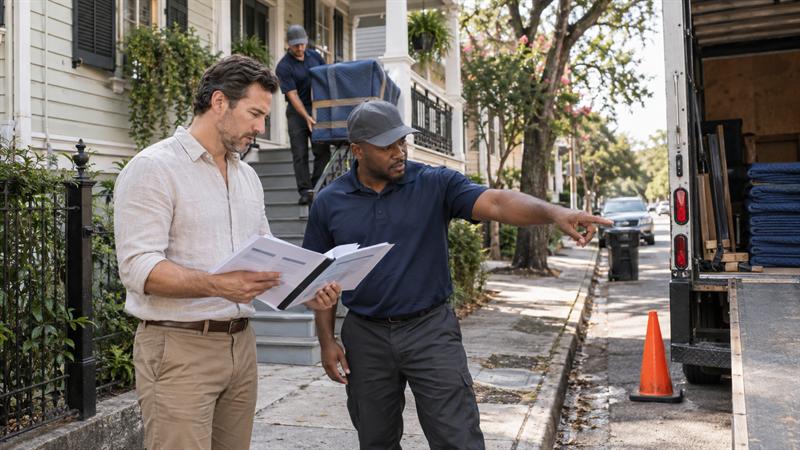
At H and U Express Moving, packing support can be discussed as part of the larger moving plan. This helps identify what needs protection, what the household prefers to pack personally, and what should be ready before the crew begins loading.
For move-specific details, readers can review professional packing services in New Orleans.
Packing and Protecting Everyday Household Items
Everyday packing commonly includes kitchenware, books, clothing, linens, décor, and similar household goods. The goal is to keep boxes manageable, stable, and organized by room or category.
Problems can start when boxes are packed without a system. Overfilled boxes can be difficult to lift, underfilled boxes can leave room for items to shift, and unlabeled boxes can slow unloading because no one knows where they belong.
Help With Fragile, Large, or Difficult-to-Pack Belongings
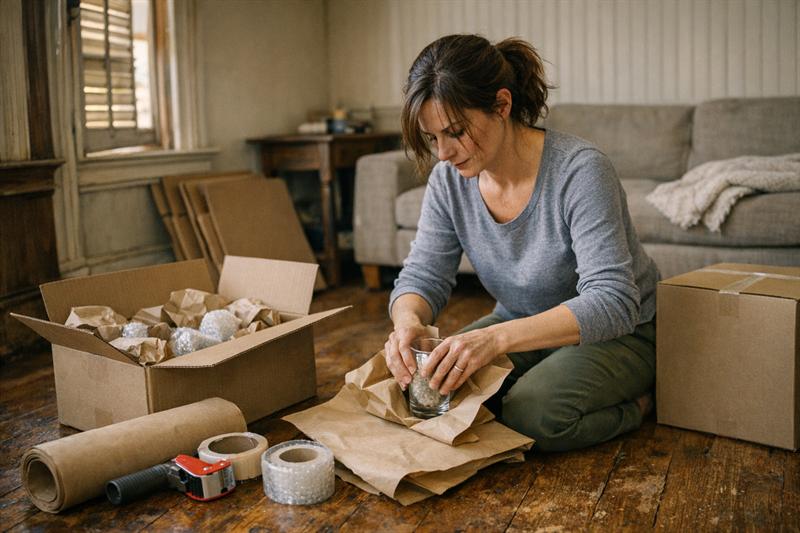
Glassware, mirrors, framed artwork, lamps, electronics, and delicate décor often need more than a box and tape. Their shape, weight, material, and ability to move inside the box help determine how they should be prepared.
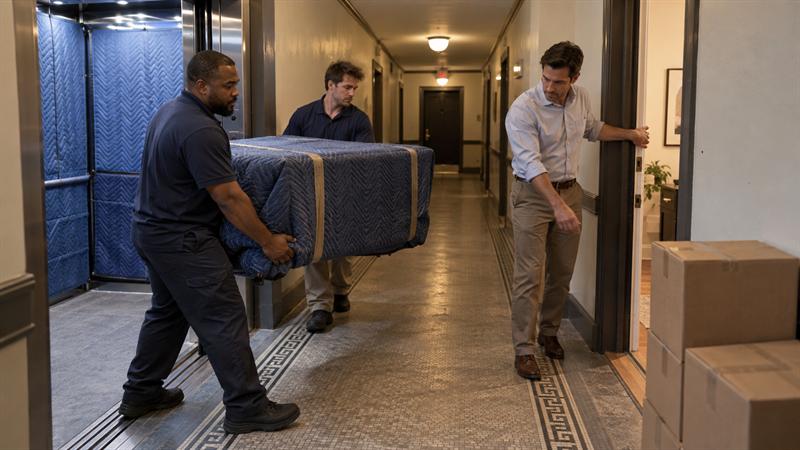
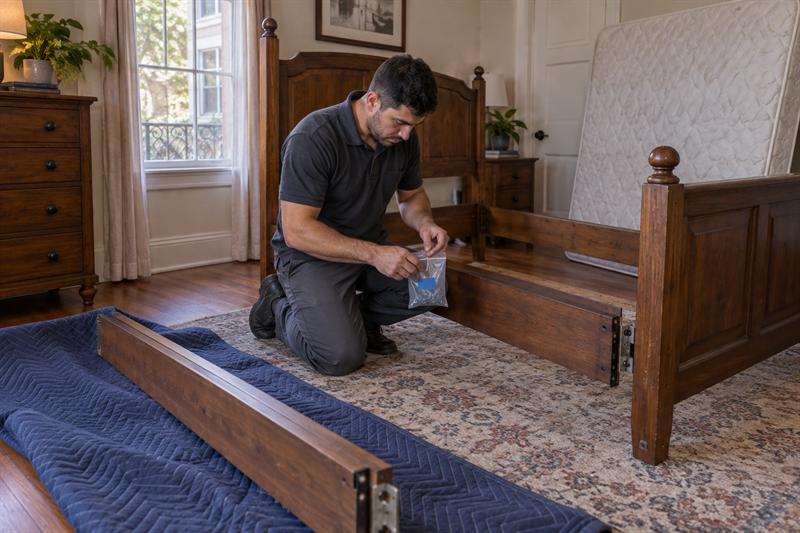
Large or awkward belongings create a different challenge. Furniture, oversized décor, and hard-to-handle items need a plan for wrapping and moving before the crew arrives. An item that seems manageable in place can become difficult when it must pass through a doorway, be lifted, or be loaded with other household goods.
Labeling and Preparing for Moving Day
Clear labels can help place boxes in the correct rooms and make unpacking more organized. Labels should identify the destination room and note when a box contains fragile contents or items that should remain upright.
Packing also affects the pace of moving day. When boxes are finished, sealed, and grouped by room, the crew can focus on loading. When packing is still underway, loose items, open boxes, and unclear priorities can slow the move and make important belongings harder to locate.
What to Clarify Before Booking Packing Help
- Which rooms and items are included?
- Are boxes, wrapping, padding, and furniture protection included?
- Are there items the customer should pack or keep separately?
- Will packing occur before moving day or on the same day?
- Is unpacking available if needed?
- How should fragile and oversized items be identified in advance?
Clear answers help prevent assumptions. A broad label such as “packing service” does not explain what will happen with fragile items, storage-bound belongings, or rooms that still need sorting.
When DIY Packing Can Make Sense
DIY packing can make sense when the work is truly manageable, not simply when it appears less expensive at the beginning. A self-packing plan generally requires time, supplies, organization, and enough help to finish the job before the move becomes urgent.
You Have Enough Time to Pack in Stages
Packing is easier to manage when it starts early and follows a room-by-room plan. Less-used rooms, seasonal belongings, books, and décor can usually be packed first, leaving daily essentials for the final days.
Waiting until the week of the move to begin packing in earnest can lead to rushed decisions, mixed boxes, unfinished closets, and a moving day spent deciding what still needs to be done.
Your Household Has a Manageable Volume of Belongings
Home size does not tell the full story. A smaller home with full cabinets, packed closets, seasonal storage, and years of accumulated belongings can take more work to pack than a larger but lightly furnished home.
DIY packing is more realistic when the household has a limited amount of belongings and a clear sense of what is moving. If every room still needs sorting, donating, discarding, and boxing, the packing workload is likely larger than it first appears.
You Have the Right Supplies and a Clear System
Boxes, tape, labels, wrapping, and padding should be part of the plan, not last-minute purchases. A consistent system can help keep boxes stable and make it easier to find needed items after arrival.
Without the right supplies, people may use boxes that are too large, too weak, or poorly matched to the contents. This can lead to difficult handling, shifting items, and boxes that are harder to stack and unload.
You Are Comfortable Handling Fragile Items
DIY packing can work when the household is comfortable wrapping, padding, and boxing breakables securely. It also requires taking the time to separate delicate items rather than placing them together simply because space is available.
If fragile packing feels uncertain, those items need a clearer plan. A practical middle ground is to pack straightforward household goods independently and get help with belongings that need more careful preparation.
When Is Professional Packing Worth Considering?
Professional packing is worth considering when the move is being held back by time, complexity, physical demands, or difficult belongings. The question is not whether someone can put items in boxes. The question is whether the household can finish the work carefully before unfinished packing affects the move itself.
Professional support can be especially useful when packing has become another deadline-driven project instead of a controlled part of the move. This is when delays, loose items, unclear labels, and rushed handling are more likely to build up.
For households coordinating packing with transportation, home moving services in New Orleans can help bring the full move plan into one conversation.
You Are Working Around a Tight Timeline
Lease deadlines, closings, work schedules, cleaning, and family responsibilities can compress the time available for packing. When the timeline gets tight, the work does not disappear. It gets pushed into the final days, when every unfinished room becomes more urgent.
This can result in boxes packed without labels, important items mixed with household goods, and a move that starts before the home is fully ready. If the packing plan is already behind, added support may help keep the move organized.
You Have Fragile, Sentimental, or Hard-to-Pack Items
Delicate glassware, artwork, mirrors, antiques, electronics, and unusually shaped belongings need added planning. These items should be identified before moving day, not while the crew is waiting to load them.
A household may have enough boxes for clothing and books but no clear approach for items that need wrapping, padding, or special handling. When these items are left until the end, they can become the part of the move that slows everything down.
The Household Is Large, Full, or Still Being Sorted
A full household creates more than a packing task. It creates decisions about what stays, what goes, what needs storage, and what must remain accessible after the move.
This can become more complicated when sorting and packing happen at the same time. Closets may remain unfinished, donation piles can grow, and boxed items may become mixed with belongings that were never meant to move. Professional packing support can add structure when the household no longer has a clear plan.
Physical Demands Are a Concern
Packing involves repeated bending, lifting, reaching, carrying, and working at floor level. Those tasks can become more demanding when boxes are heavy, rooms are crowded, or the home contains bulky belongings.
Ignoring the physical side of packing can lead to slower work and unfinished rooms. If the household has limited help or does not want to spend several days handling heavy boxes and difficult items, professional support may be the more practical next step.
Items Will Be Going Into Storage
Storage changes the packing decision because belongings may remain packed, stacked, and out of sight for longer than they would during a direct move. Boxes need clear labels, stable packing, and a plan for finding specific items later.
When storage is part of the move, loosely packed or poorly identified boxes can become harder to manage over time. Readers planning this type of move can learn more in how moving and storage services work together.
If packing is still unfinished close to moving day, it may be time to adjust the plan. The following signs suggest that DIY packing may no longer be keeping up with the move:
- Several rooms still need to be sorted and boxed.
- Fragile, oversized, or awkward items have been left until the end.
- Boxes are being packed without labels or enough protective materials.
- Storage, cleaning, work obligations, or move-out deadlines are competing for the same time.
These conditions can lead to delays and rushed handling. A partial or full professional packing plan can help get the household ready for moving day.
Professional Packing vs DIY: Compare Time, Cost, and Risk
DIY packing usually has a lower upfront service cost, but it requires the household to provide the time, materials, labor, and organization. The comparison should include the full workload, not just the price of boxes.
- DIY packing: Gives the household direct control over every box. It works best when there is enough time to pack carefully, gather supplies, and finish before moving day.
- Partial packing: Lets customers handle personal or simple items while getting help with fragile, bulky, or time-consuming categories. This can be a practical choice for a household that is mostly organized but not fully prepared.
- Full professional packing: Provides broader support when the home needs substantial preparation before the move. It is generally a stronger fit when the timeline, household volume, or item complexity has outgrown a DIY plan.
The lowest upfront cost is not always the easiest path. DIY packing can become costly in time when it leads to missed work, rushed preparation, repeated trips for supplies, or a move that begins with rooms still unfinished.
The Middle Ground: Pack Some Items Yourself and Get Help With the Rest
A hybrid plan is often a clear answer for households that do not need full packing but do need help with the parts most likely to create delays. It keeps personal items in the customer’s control while giving difficult categories a more deliberate packing plan.
Items Many Homeowners Prefer to Pack Themselves
- Personal documents
- Medication and daily essentials
- Jewelry and high-value personal items
- Sentimental belongings the household wants to organize directly
- Overnight bags and items needed immediately after arrival
These belongings are generally best kept accessible rather than buried in the moving load. Customers should also confirm the mover’s current policies for restricted or non-transportable items before moving day.
Items That May Benefit From Professional Packing Help
- Kitchen glassware and dishware
- Mirrors, artwork, and framed items
- Lamps and delicate décor
- Electronics requiring careful protection
- Large or awkward items
- Furniture requiring protective wrapping
- Items being prepared for storage
These categories can take more time because they require attention to wrapping, padding, shape, and handling. Leaving them for the final night before a move can lead to improvised packing and an incomplete moving plan.
How to Build a Hybrid Packing Plan
- Set aside personal, essential, and immediate-use items first.
- Make a list of fragile, bulky, or difficult belongings.
- Identify which rooms can realistically be packed before moving day.
- Ask which packing materials and protective supplies are included.
- Request a quote based on the rooms and item categories that need help.
This approach replaces a vague packing decision with a specific scope of work. It also makes it easier to compare options without paying for help where it is not needed.
Questions to Ask Before Hiring Professional Packers
Before hiring professional packers, get clear answers about the work being done. Packing support is most useful when it matches the home’s actual needs.
- What packing tasks are included in the quote?
- Which rooms or item types will be packed?
- Are protective supplies included?
- How should fragile, oversized, or specialty items be identified?
- What should stay with the customer during the move?
- Will packing happen before the move or on moving day?
- Can service focus on selected rooms or fragile items?
- How will packed belongings be prepared if storage is part of the plan?
Written scope details are generally more useful than broad service labels. They show what the move plan covers and reveal whether the household still needs to complete important packing tasks on its own.
Choosing a Packing Plan for Your New Orleans Move
The right packing plan starts with an honest look at what remains to be done. H and U Express Moving can discuss home moving, packing support, storage needs, and large or fragile items as connected parts of one move.
Rather than treating packing as a vague add-on, the move can be discussed around the rooms that need work, the belongings that need protection, and whether items are going directly to the new home or into storage. Confirm available service options, supplies, and pricing when planning the move.
If the move includes unfinished packing, difficult items, or a close deadline, reserve your move with H and U Express Moving and describe the packing support needed.
Key Takeaways
- DIY packing can make sense when there is enough time, appropriate supplies, and a manageable workload.
- Professional packing may be useful when time, fragile belongings, physical demands, or household complexity are major factors.
- Partial packing provides a flexible option for customers who want help with only the hardest parts.
- Protective supplies and clear labeling are important parts of move-day readiness.
- Customers should confirm the scope of packing help before booking.
Conclusion: Make the Packing Decision Before It Becomes a Moving-Day Problem
The real issue is not simply deciding who puts items into boxes. It is allowing unfinished packing, fragile belongings, missing supplies, and unclear priorities to carry into moving day. That can lead to rushed work, delayed loading, loose items, and a home that is still not ready when the move needs to begin.
H and U Express Moving can be a practical next step when the packing workload has grown beyond what the household can comfortably finish. Whether the move needs help with selected fragile items, a hybrid packing plan, or broader preparation before a home move, plan early so the packing scope, protective supplies, and moving details are clear before moving day.
Frequently Asked Questions
Is professional packing worth it for a move?
Professional packing may be worth considering when the household does not have enough time, supplies, or capacity to finish packing before moving day. It can be especially useful when fragile items, a large volume of belongings, storage needs, or a compressed schedule are part of the move.
DIY packing remains a good choice for organized households that can work through the home in stages. If several rooms remain unfinished or difficult items are being saved for the end, it may be a good time to request packing support that matches the actual workload.
Can movers pack only fragile items?
Many moving companies can offer packing support for selected rooms or difficult categories instead of the entire home. This can be a practical choice for customers who want to pack personal and straightforward items themselves but need help with glassware, mirrors, artwork, electronics, lamps, or furniture protection.
The service scope should be confirmed before booking. Identify the specific items that need added preparation so the moving plan accounts for them before the crew arrives.
What do professional packers usually pack?
Professional packers commonly prepare household goods such as kitchenware, décor, books, clothing, linens, and fragile items. The work generally involves boxes, wrapping, padding, labels, and protection for belongings that need more careful handling.
Personal documents, medication, valuables, and immediate-use items are usually best kept accessible by the customer. Confirm which rooms, materials, and item categories are included when discussing the packing plan.
Should I pack before movers arrive?
For a moving-only service, belongings should generally be boxed and ready before the crew arrives. If professional packing is part of the move, confirm whether packing happens ahead of moving day or as part of the scheduled service.
Finished, labeled boxes allow the crew to focus on loading and placing items efficiently at the destination. If packing is still incomplete, address it before moving day rather than assuming it can be resolved during loading.
What should movers not pack?
Customers should generally keep personal documents, medication, valuables, and essential items with them. Restricted, hazardous, or non-transportable belongings can have separate requirements, so policies should be confirmed directly with the moving company.
Set these items aside early so they do not get mixed into boxes or loaded by mistake. A clear essentials plan helps keep important belongings accessible when they are needed.
Is partial packing cheaper than full packing services?
Partial packing generally involves less packing labor and fewer materials than a full-home plan because it focuses on selected rooms or item categories. Final cost depends on the amount of work, the items involved, the protective supplies needed, and the timing of the move.
Partial packing can be a strong choice when the household can manage simple items but needs help with fragile, bulky, awkward, or storage-bound belongings. Describe those categories clearly when reserving the move so the requested support matches the real packing need.