If moving day is close and the home still has loose items, half-packed rooms, and unanswered questions, start with the tasks that affect loading. Making decisions about what stays, what goes, and what needs special handling after the movers arrive can slow the move from the start.
This guide explains how to prepare for movers room by room, what to keep with you, and which details to confirm before moving day.
Start With a Plan Before Moving Day
Start by deciding what is moving, what is staying, and what needs another destination. Packing before making those decisions can lead to mixed boxes, unclear instructions, and last-minute sorting when the crew needs a clear route through the home.
- Several days before: Finish sorting, pack nonessential items, identify special belongings, and confirm building or parking requirements.
- The day before: Complete remaining packing, prepare appliances as needed, clear walkways, and set aside essentials.
- The morning movers arrive: Confirm access, keep pets and children away from moving areas, and be ready to answer questions about rooms and special items.
Every move has different requirements. A ground-floor home with driveway access needs a different plan than an apartment with an elevator reservation, narrow entryway, or long walk from the truck. For a broader schedule from booking through move-in day, use this complete local moving checklist.
What to Do Several Days Before Movers Arrive
Finish Sorting and Decide What Is Moving
Complete donation, disposal, storage, and “leave behind” decisions before moving day. Unlabeled boxes, furniture that may be staying, or rooms that have not been fully sorted can create unnecessary questions during loading.
- Separate items that are moving from items that are staying.
- Place donation or disposal items in a clearly marked area away from moving paths.
- Confirm belongings being left for a buyer, tenant, family member, or property manager.
- Check closets, cabinets, shelves, attics, and outdoor storage areas before packing is considered complete.
If an item is still undecided when loading begins, the crew will need direction before moving it. Make those decisions early so every item has a destination.
Pack What You Can or Arrange Professional Packing Help
Confirm whether your moving service includes packing or whether your household is responsible for having boxes ready before the crew arrives. Packing expectations vary by service level, and assuming unfinished packing will be handled on arrival can make moving day more difficult to manage.
Professional packing can be useful when fragile belongings need extra attention, time is limited, or several rooms remain unpacked close to the move date. Readers comparing approaches can review professional packing versus DIY packing before choosing the option that fits their move.
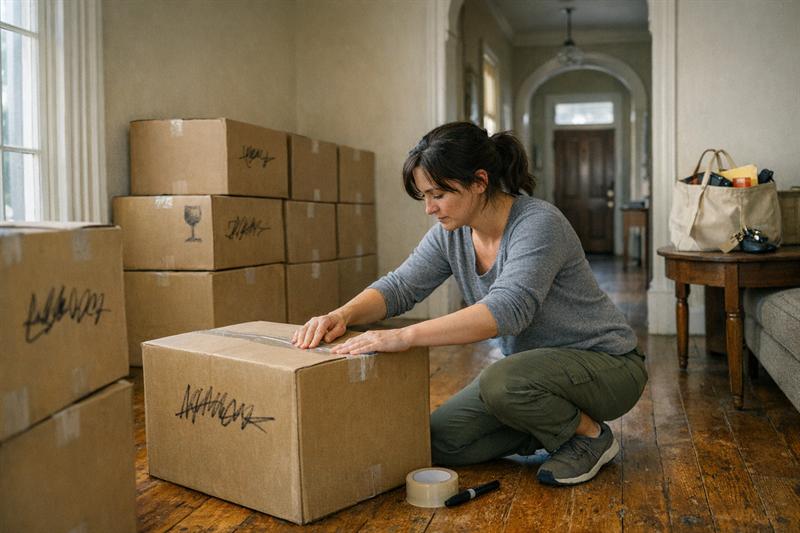
- Label boxes by destination room.
- Mark boxes containing fragile contents.
- Keep box weight manageable instead of overfilling large cartons.
- Pack loose belongings from shelves, countertops, drawers, and furniture.
Unpacked loose items take extra time to address and are easier to overlook. If major packing is still unfinished, arrange help before the moving date rather than trying to solve it during the arrival window.
Identify Items That Need Special Handling
Tell movers about large, heavy, fragile, valuable, or unusual items before moving day. A tight staircase, narrow doorway, or upper-floor room may affect the loading plan, especially when those details are discovered only after the crew arrives.
- Large furniture, oversized sectionals, and heavy cabinets
- Mirrors, glass tables, artwork, antiques, and delicate décor
- Pianos, exercise equipment, and unusually heavy belongings
- Items with existing damage, loose parts, or difficult access
Share measurements, photos, access details, and known condition concerns when relevant. If you are moving fragile or oversized pieces, H and U Express Moving offers handling for large or fragile items in New Orleans; discuss those items before the crew arrives.
Confirm Parking, Building Rules, and Entry Access
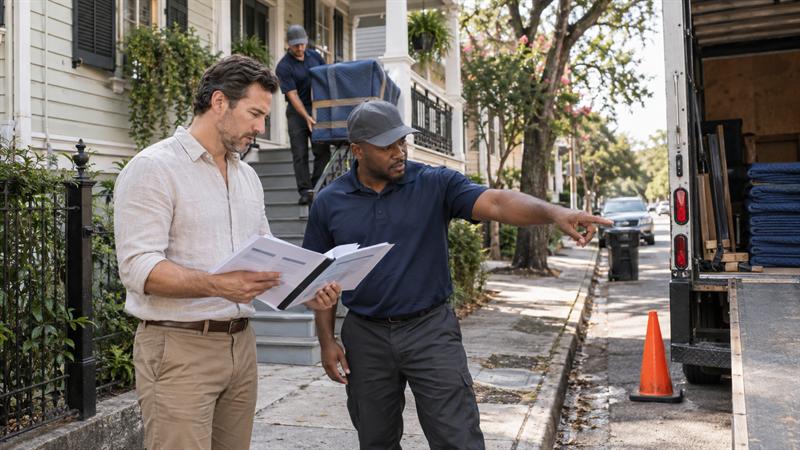
Access planning matters as much as packing. In New Orleans, parking, older property layouts, narrow entrances, stairs, and apartment requirements can affect how the crew reaches the home and moves items to the truck.
- Confirm where the moving truck can park.
- Reserve elevators, loading areas, or approved move windows when required.
- Provide gate codes, call-box instructions, permits, and building contacts.
- Tell the mover about stairs, long hallways, narrow doors, and long carries.
When building rules or parking details are not confirmed, the move may begin with waiting or access issues. Check the plan with property management and the moving company before moving day.
Decide Whether You Need Storage Between Homes
Storage is best considered before packing, not after the home is already boxed up. A gap between move-out and move-in dates, a renovation, temporary housing, or downsizing may mean some belongings need a separate plan.
- Short-term storage: Can be useful when possession dates do not line up or a home is temporarily unavailable.
- Long-term storage: May suit belongings that will remain outside the home during a longer renovation, temporary relocation, or downsizing period.
When storage is part of the plan, label those boxes clearly and keep immediate-use belongings separate. Mixing storage boxes with first-night boxes makes it harder to find what you need after the move.
How to Prepare Each Room for Movers
Kitchen and Dining Areas
Kitchen packing takes time because it includes small items, breakables, food, and appliances. Finish this room early instead of leaving it for the night before.
- Pack dishes, glassware, cookware, pantry items, and small appliances.
- Remove loose items from countertops, cabinets, and dining furniture.
- Separate food and supplies needed before the move is complete.
- Prepare the refrigerator according to manufacturer guidance and your moving arrangements.
Kitchen items are easy to miss because they are spread across drawers, cabinets, and shelves. A final cabinet-by-cabinet check helps prevent belongings from being left behind.
Living Rooms and Bedrooms
Pack décor, books, lamps, electronics, and other loose belongings before movers arrive. Leave enough space around furniture for the crew to assess the item and the route out of the room.
- Remove fragile décor and loose objects from furniture.
- Set aside bedding, clothing, and personal items needed for the first night.
- Identify furniture that may require disassembly or special handling.
- Ask the mover whether drawers should be emptied based on the furniture type, contents, weight, and move conditions.
Not every drawer needs the same preparation. Heavy, breakable, valuable, or loose contents are generally best removed or discussed in advance.
Bathrooms and Laundry Areas
Bathrooms contain items people use until the last minute, which makes them easy to overlook. Pack nonessential toiletries early and keep only a small moving-day kit accessible.
- Pack extra towels, toiletries, cleaning items, and unused supplies.
- Keep medications and personal necessities with you.
- Check shelves, cabinets, hampers, and behind doors.
- Empty laundry appliances and confirm disconnection requirements before moving day.
Appliance preparation varies by model and connection type. Follow manufacturer guidance and arrange qualified help when gas, plumbing, or electrical disconnection is required.
Home Office and Electronics
Home office preparation is about keeping important work and personal information accessible. Label cords before disconnecting them so chargers, routers, and accessories are easier to identify at the new home.
- Back up important files where appropriate.
- Label cords, routers, chargers, and accessories.
- Keep work devices, documents, and essential electronics separate.
- Pack sensitive records with personal belongings rather than general household boxes.
If work must continue during the move, keep the laptop, charger, internet equipment, and key documents with you. This helps avoid searching through packed boxes for something needed right away.
Garage, Attic, Shed, and Outdoor Areas
Storage spaces can create delays because they are frequently packed last and may contain tools, seasonal items, outdoor equipment, and materials with different transport requirements.
- Sort tools, patio furniture, sports equipment, and seasonal storage.
- Identify items that require separate disposal or have transport restrictions.
- Clear paths from storage areas to the truck access point.
- Secure loose outdoor furniture and equipment as appropriate.
Confirm potentially restricted or hazardous items with the moving company before moving day. Waiting until the truck arrives may leave little time to make another plan.
Prepare Furniture, Appliances, and Fragile Belongings
Prepare Furniture for Moving
Clear furniture of loose, breakable, and personal items before the crew begins. Note existing damage or delicate components so questions can be addressed before the item is moved.
- Remove lamps, décor, loose shelves, and breakable items.
- Empty drawers when the furniture, contents, or mover’s instructions require it.
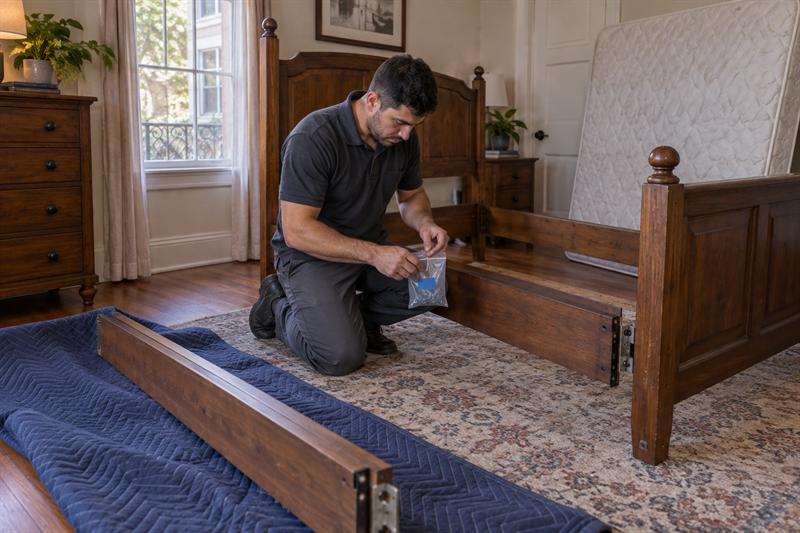
- Confirm whether disassembly is needed and keep hardware in labeled bags.
- Clear a path around large furniture and through the exit route.
Furniture preparation depends on construction, size, weight, and access. A wide dresser on the first floor needs a different plan than a large bed frame going down a tight staircase.
Prepare Appliances and Electronics Carefully
Appliances need advance attention because disconnection, drainage, and preparation requirements differ. Do not use one checklist for refrigerators, washers, dryers, or appliances connected to gas, plumbing, or electrical systems.
- Review manufacturer guidance before relocation.
- Remove food, water, detachable accessories, and loose components as appropriate.
- Keep manuals and important accessories together.
- Arrange qualified disconnection when required.
Improper appliance preparation can create problems before loading begins. Confirm the requirements early so the appliance is ready when the crew arrives.
Protect Fragile, Large, and Valuable Items
Fragile labels help identify boxes, but labels alone do not protect the contents. Appropriate packing materials, a clear handling plan, and advance communication keep fragile-item preparation from becoming an afterthought.
Keep irreplaceable documents, small valuables, and items you need immediately in your personal possession when practical. For packing methods focused on breakables, review this step-by-step guide to packing fragile items safely.
Clear a Safe Path for the Moving Crew
Clear Interior Walkways and Entry Points
Clear paths are not a cosmetic detail. They help movers assess furniture, move through the home more safely, and avoid unnecessary stops around boxes, rugs, cords, and loose belongings.
- Clear hallways, stairs, doorways, and entrances.
- Remove rugs, cords, and boxes from main moving routes.
- Keep rooms easy to identify and communicate which items are included.
- Make sure entry doors can open fully.
When pathways are blocked, the crew must work around obstacles instead of focusing on loading. That can lead to a slower, less organized start to the move.
Plan for Parking, Stairs, Elevators, and Long Carries
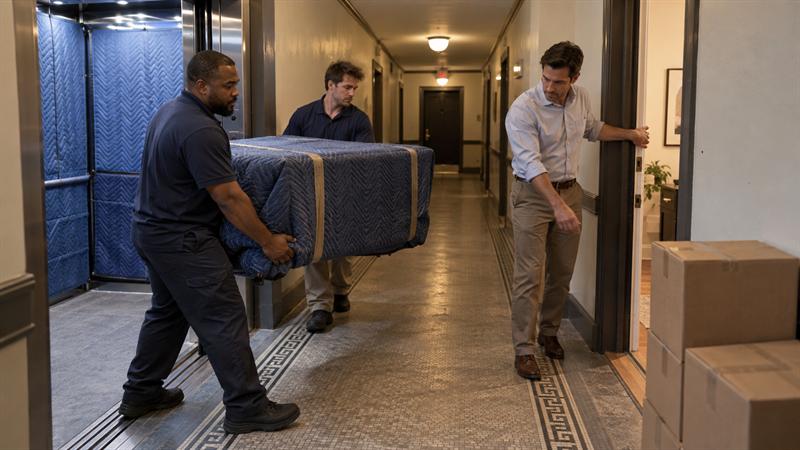
Apartment and condominium moves require extra coordination because the home is only one part of the moving route. The route may also include elevators, hallways, loading zones, parking areas, gates, and building rules.
Reserve what needs to be reserved, share access instructions, and confirm where the truck will park. For a detailed breakdown of tight spaces and building logistics, see the apartment moving guide for stairs, elevators, parking, and tight spaces.
Make Arrangements for Pets, Children, and Visitors
Keep pets and children away from active moving areas. Loading involves open doors, heavy items, changing pathways, and people moving in and out of the home.
A quiet room, off-site care, or a planned activity away from the moving route gives the household and crew more room to work. Extra foot traffic can add distraction and confusion.
What to Keep With You Instead of Loading on the Truck
Keep essential items with you so they are available during the move and immediately after arrival. This is not about assuming movers cannot transport these belongings. It is about avoiding the problem of needing something important while it is packed away.
- Identification, keys, lease documents, closing paperwork, and important records
- Medications, wallets, jewelry, and small valuables
- Phones, chargers, laptops, work materials, and essential electronics
- Toiletries, a change of clothes, bedding, snacks, water, and first-night supplies
- Pet supplies and children’s immediate necessities
If you need it that day, keep it out of the moving load. This simple separation helps prevent a packed truck from becoming the only place to look for keys, medication, chargers, or important paperwork.
The Night-Before and Moving-Morning Checklist
- Finish remaining packing and label every box.
- Charge phones and keep key contact information available.
- Set aside essentials and belongings that are not moving.
- Confirm parking, access codes, elevator arrangements, and building requirements.
- Complete a final walkthrough of closets, cabinets, drawers, storage spaces, and outdoor areas.
- Keep pets and children away from moving paths.
- Be available to answer questions about special items, rooms, and access.
If several of these items are still unresolved the day before your move, it is worth contacting the mover promptly. Common issues include:
- Boxes are still open in multiple rooms.
- Parking or elevator access has not been confirmed.
- Large, fragile, or difficult-access items have not been discussed.
- Documents, medication, keys, and first-night essentials have not been separated.
These issues can lead to delays, rushed packing decisions, and unclear instructions when the move should already be underway. Contact the mover before the scheduled arrival time and make a specific plan for what remains.
When Professional Packing or Storage Can Simplify the Move
Professional packing can be useful when the household does not have enough time to finish, when fragile belongings need more careful preparation, or when packing is competing with work, family responsibilities, or a fixed move-out date. Storage can be a practical option when moving dates do not line up or belongings need to stay out of the home for a defined period.
H and U Express Moving offers home moving, professional packing, storage options, and handling for large or fragile belongings. Discuss your service needs, packing requirements, and access details before moving day so the scope of the move is clear.
Pack yourself when the work is under control; consider professional packing when time or fragile-item needs are driving the move; and consider storage when the home timeline has a gap. Making those decisions before the final days gives you more flexibility to organize the move well.
Key Takeaways: Preparing for Movers Without Last-Minute Stress
- Decide early what is moving, staying, being donated, or going into storage.
- Finish packing loose items and clearly label boxes by room.
- Discuss large, fragile, oversized, or difficult-access items before moving day.
- Confirm parking, building requirements, stairs, elevators, and entry instructions.
- Keep documents, medications, valuables, keys, and first-night essentials with you.
- Use professional packing or storage when unfinished preparation or mismatched dates are creating a problem.
Conclusion
The challenge is not simply having too much to pack. An underprepared move can create unclear instructions, blocked pathways, unfinished decisions, access issues, and last-minute searches for essential belongings. Those issues can slow the move before the truck is fully loaded.
H and U Express Moving can help when your move needs a clear plan for home moving, packing, storage, or fragile and oversized belongings. Confirm the details early, complete the preparation only the household can handle, and arrange moving support for the parts of the move that need it.
Frequently Asked Questions
How far in advance should you prepare for movers?
Start preparing as early as practical and complete major sorting, packing decisions, access planning, and special-item communication before the final days. The right timeline depends on the size of the move, home layout, building rules, and service level. Use a full moving checklist early so the last day is reserved for final confirmation rather than major packing.
Do movers pack everything?
Packing services and customer responsibilities vary by moving company and service level. Confirm what is included, what needs to be packed before arrival, and how fragile or specialty items will be handled. If several rooms remain unpacked close to moving day, arranging professional packing support before the crew arrives may be helpful.
Should you empty drawers before movers arrive?
It depends on the furniture, drawer contents, item weight, and mover guidance. Heavy, loose, valuable, or breakable contents are generally best removed or discussed with the mover before moving day. Identify furniture that needs special handling early so the crew has the information needed to plan the move.
What should you not pack for movers?
Restricted, hazardous, highly personal, and immediately needed items may require a separate plan. Confirm specific household materials with the moving company and follow applicable disposal or safety guidance. Keep medications, documents, keys, valuables, and first-night essentials in an accessible bag.
What should I keep with me on moving day?
Keep identification, keys, important documents, medications, valuables, chargers, work devices, toiletries, and first-night supplies with you. These are belongings you are likely to need during travel, at check-in, or immediately after arriving. Pack this essentials bag before the night-before checklist begins.
How do you prepare an apartment for movers?
Prepare an apartment by confirming elevator reservations, move windows, parking, loading access, building requirements, access codes, and property-management instructions. Also share details about stairs, narrow hallways, long carries, and loading docks before moving day. Early coordination helps prevent access problems from becoming the first delay of the move.