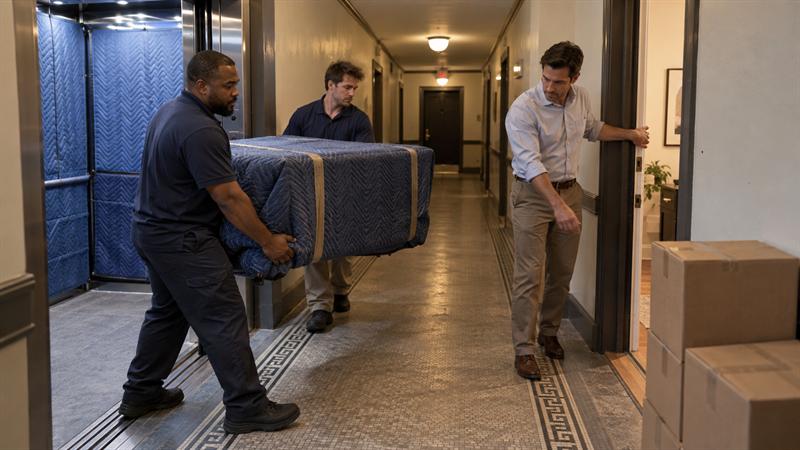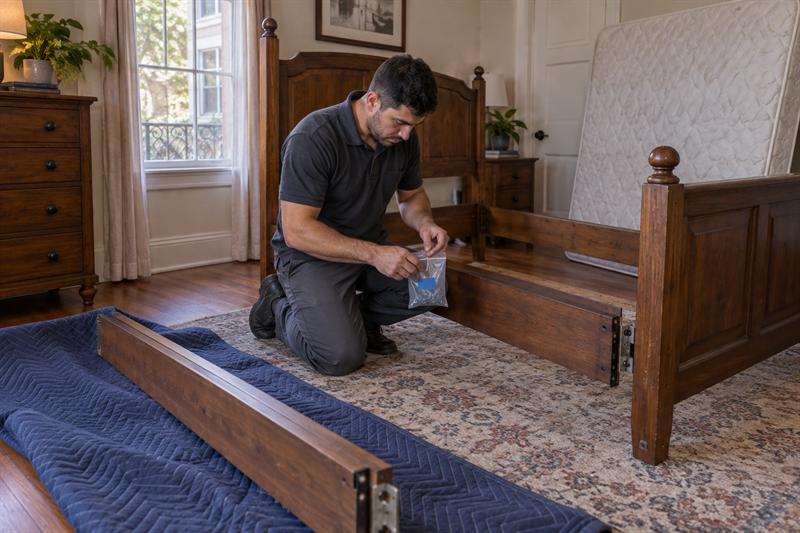
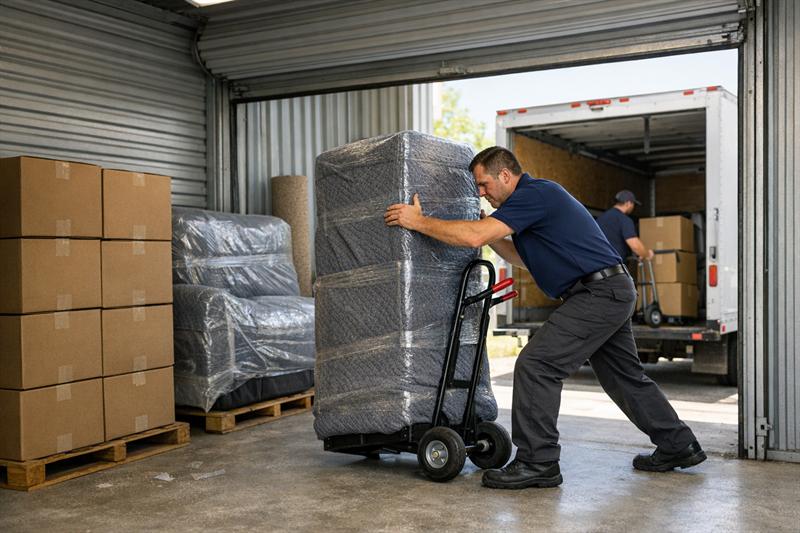
Quick Answer: Most moves do not line up perfectly, and that is where complications start. Moving and storage services work together by packing, transporting, storing, and delivering your belongings when your new space is actually ready.
Introduction
A move sounds simple until the timing does not match. The lease ends before the new place is ready, closing dates shift, or there is more furniture than the new space can handle. That is when a basic move turns into a coordination problem.
H and U Express Moving handles this type of situation regularly. What starts as a straightforward move can quickly turn into a gap between where your belongings are and where they need to be. Without a plan for that gap, items may be moved multiple times, stored in poor conditions, or delivered before the space is ready.
What Are Moving and Storage Services?
Moving and storage services combine transportation and secure storage into one coordinated process. The moving side handles packing, loading, and delivery. The storage side holds your belongings until your new home is ready.
Instead of working with separate companies, one provider manages the full sequence. For example, professional home moving services cover transportation, while storage solutions help protect items during delays or transitions.
This matters because extra handling creates more opportunities for damage or mix-ups. Keeping everything within one system helps reduce unnecessary transfers and makes the process easier to manage.
Why Moving and Storage Are Often Used Together
Storage is not always part of the original plan. It often becomes necessary when timing or space no longer lines up. Many people expect a same-day move, then realize the timeline does not fully support it.
Timing Gaps Between Move-Out and Move-In
This is one of the most common reasons storage is needed. Closing dates move, leases end early, or access to the new home is delayed. That creates a gap where belongings need a place to go.
Without storage, items may end up in temporary spaces and then need to be moved again. That usually means more handling, more coordination, and a higher chance of damage. Storage keeps everything in one place until the move can be completed properly.
Downsizing or Space Limitations
Moving into a smaller home creates immediate pressure to fit everything at once. A common mistake is trying to force every item into limited space on move-in day.
Storage creates breathing room. It gives you time to sort, organize, and decide what belongs in the new space instead of making rushed decisions under pressure.
Home Renovations or Delayed Readiness
Moving into a home that is not finished can create unnecessary risk. Dust, moisture, and ongoing work can affect furniture, flooring, and boxed items.
Items placed too early often need to be moved again or cleaned later. Keeping them in storage until the space is ready helps avoid that extra step.
Long-Distance or Phased Moves
Not every move happens in one step. Job relocations, family transitions, or staggered timelines often require more flexibility.
Storage allows the move to happen in stages while keeping everything together and easier to track. Without it, items may end up split across locations, which can make coordination harder.
How the Process Works Step by Step
When moving and storage are handled together, the process follows a clear sequence. That reduces confusion and helps keep the move organized from start to finish.
Packing and Pickup
The process starts with organized packing and pickup. Using professional packing services can help protect items and keep boxes labeled and grouped correctly.
This stage sets up everything that follows. When packing is rushed or inconsistent, problems often show up later during storage or unpacking.
Transportation to Storage
Items are transported directly to storage instead of being unloaded and reloaded across multiple locations. Fewer transfers usually mean fewer chances for mistakes.
This step keeps the process simpler and reduces the risk of items being misplaced.
Storage Conditions and Security
In New Orleans, climate can be a factor. Heat and humidity may affect materials over time, especially wood, fabric, and electronics.
Proper storage helps protect items while they are waiting. When storage conditions are not suitable, problems may show up later as warping, odors, or moisture-related damage.
Final Delivery to Your New Home
Once your home is ready, items are delivered based on your schedule. Options like short-term storage during a move can add flexibility without rushing the final step.
This part tends to go more smoothly when everything has been handled consistently from the beginning, with clear scheduling and minimal transfers.
If Your Move Does Not Line Up Exactly, This Is Where You Need Storage
If you are dealing with any of the following, your move likely needs more than basic transportation:
- Your move-out and move-in dates do not match
- You do not have a confirmed move-in timeline
- You have more belongings than your new space can handle right away
- Your home needs repairs or preparation before move-in
At that point, storage becomes part of the solution. Trying to work around these issues without it often leads to extra handling, added costs, and more stress.
Short-Term vs Long-Term Storage: What Is the Difference?
Short-term storage is usually used for brief gaps, from a few days to several weeks. It helps bridge timing issues such as delayed closings or short transitions.
Long-term storage is used for longer periods, often during major life changes or when space will be limited for the foreseeable future.
The difference mainly comes down to purpose. Short-term storage supports timing. Long-term storage supports a longer transition. Choosing the wrong fit can lead to rushed decisions or paying for space longer than necessary.
How to Know If You Need Storage for Your Move
- If your timeline does not align, storage can bridge the gap
- If your home is not ready, storage helps protect your belongings
- If you are downsizing, storage gives you time to sort properly
- If your move is happening in stages, storage helps keep everything organized
Ignoring these signs often leads to repeated handling, which can increase both cost and risk.
Cost Factors to Consider
The total cost depends on storage duration, the volume of items, distance, and the level of packing support required.
A common mistake is looking only at the moving cost. When storage is arranged separately, coordination can become more complicated and may add extra steps.
Combining services can keep the process more streamlined and may help reduce avoidable handling and scheduling issues.
Choosing the Right Moving and Storage Provider
Coordination is what separates a smoother move from a more complicated one. Using one provider can keep planning, handling, and scheduling connected.
- Clear pricing with defined services
- Protective materials and handling procedures built into the process
- Scheduling that can adapt if timelines change
- Experience managing moves that include storage
Moves often become harder when multiple companies are involved, especially during handoffs between transportation and storage.
Key Takeaways
- Many moves involve timing gaps that need to be planned for
- Storage can help prevent rushed decisions and repeated handling
- Combining services simplifies coordination
- Planning early can reduce complications during the move
Conclusion
The challenge in many moves is not the distance. It is the timing and coordination around it. When those pieces do not line up, the process becomes harder to manage and more prone to delays or mistakes.
Without a clear plan, items may be moved more than necessary, exposed to poor conditions, or delivered before the space is ready. That can lead to added cost, damage, or both.
H and U Express Moving approaches moving and storage as one connected process, so your belongings can be handled consistently from start to finish. If your timeline includes any gaps, the next step is to request a quote and build a plan around how your move will actually unfold.
FAQ
What are moving and storage services?
They combine moving and storage into one coordinated service. A single provider handles packing, transportation, storage, and final delivery. This can reduce the number of times items are handled and help keep the process organized. It is commonly used when move-out and move-in timing do not align.
When should you use storage during a move?
Storage is useful when there is a gap between move-out and move-in or when the new space is not ready. This can include delays, renovations, or downsizing. These situations create timing or space issues that need to be managed. Planning ahead usually makes the move easier to coordinate.
Is it cheaper to use a moving company with storage?
Costs vary, but combining services can reduce extra handling and coordination steps. Using separate providers may add complexity and additional logistics. A bundled approach can simplify the process and make total costs easier to evaluate. Comparing full-service quotes is usually the clearest way to assess the difference.
How long can items stay in storage during a move?
Items can be stored for short or extended periods depending on your needs. Short-term storage covers brief gaps, while longer-term storage supports extended transitions. The right choice depends on your timeline. Matching the storage plan to your move helps avoid unnecessary changes later.
Can movers store your belongings before delivery?
Yes, many moving companies offer storage before final delivery. Items are placed in storage until your home is ready. This helps keep everything secure and organized during delays. It is a common option for moves with uncertain timing.
What items should not go into storage during a move?
Perishable items, hazardous materials, and certain sensitive belongings are generally not suitable for storage. These items can spoil, leak, or create safety concerns. Most providers give clear guidelines before packing. Following those guidelines helps prevent avoidable problems.