A standard storage unit provides space, but it does not automatically provide the right environment for every item inside. Difficult-to-replace belongings, sensitive materials, and items stored for extended periods may need more consideration than basic household goods.
At H and U Express Moving, storage planning is part of the moving plan. The unit type, packing method, and expected timeline should be considered before belongings are loaded into storage.
What Is Climate-Controlled Storage?
Climate-controlled storage is indoor storage designed to maintain a more consistent environment than a typical standard unit. It commonly includes temperature control and may include humidity management, depending on the facility.
Climate-control features are not identical at every location. Before choosing a unit, confirm what conditions the facility maintains, how the space is accessed, and what rules apply to stored belongings.
Climate-Controlled Storage vs. Standard Storage
- Climate-controlled storage: Usually provides a more stable indoor setting for belongings that are sensitive to heat, humidity, or environmental changes.
- Standard storage: Can be practical for durable, replaceable household goods, particularly during a brief transition.
- The deciding factor: The right option depends on what is being stored, how long it will stay there, how it is packed, and the conditions maintained at the facility.
Climate control is one part of a storage plan, not a replacement for proper packing. If a move includes a gap between homes, renovations, or uncertain dates, it can also help to understand how moving and storage services work together.
The Main Climate-Controlled Storage Benefits
The main benefit is a more stable environment for belongings that may not hold up well under prolonged heat, humidity, or shifting temperatures. In New Orleans, where warm and humid conditions are common for much of the year, the environment inside a storage unit deserves close attention.
- More consistent temperatures
- Less exposure to prolonged humidity
- A more stable environment for sensitive materials
- More flexibility during a move or home transition
More Consistent Temperatures
Temperature changes can matter when a unit contains materials that expand, contract, dry out, or become less reliable as conditions shift over time. Wood furniture, electronics, delicate finishes, and specialty items may require more consideration than everyday boxes of replaceable goods.
A family dresser, wood table, or electronic equipment may need a different storage plan than basic household supplies. When an item has wood joints, veneers, finishes, or hard-to-replace components, a stable indoor environment is generally worth considering.
Reduced Exposure to Sustained Humidity
Humidity is an important storage consideration for wood, fabrics, leather, paper, photographs, and upholstered belongings. The concern increases when items are packed while damp, stored without enough preparation, or left untouched for a long period.
Climate control does not remove every moisture concern. It can provide a more controlled setting, while clean, fully dry belongings and suitable packing materials help address moisture concerns before the unit is loaded.
A More Stable Environment for Sensitive Materials
Paper records, books, photographs, artwork, media, and musical instruments are not ordinary storage items. They are often fragile, unique, or connected to personal history that cannot be replaced with a quick purchase.
During family-home moves, downsizing projects, and extended transitions, these items can be easy to overlook because they are packed in boxes. For antiques, instruments, valuable artwork, and specialty pieces, follow the maker’s or a qualified specialist’s care guidance before storage.
Better Planning During a Move or Home Transition
Storage needs can arise when a closing date moves, renovation work runs long, a lease ends before the next home is ready, or a household needs time to sort through belongings.
In these situations, separate everyday items from belongings that are fragile, valuable, sentimental, or difficult to replace. For a short gap between homes, short-term storage during a move can help keep the moving timeline organized while the next step is finalized.
What Items May Benefit Most From Climate-Controlled Storage?
Climate-controlled storage is most useful when the item itself requires more care. Material, age, condition, value, and replacement difficulty should guide the decision.
- Wood furniture, antiques, and musical instruments
- Upholstered furniture, mattresses, clothing, and fabrics
- Electronics, media, and appliances
- Documents, books, photographs, artwork, and collectibles
Wood Furniture, Antiques, and Musical Instruments
Wood responds to changes in its environment, making furniture, antiques, and instruments worth evaluating before storage. Joints, veneers, finishes, and older pieces usually require more thought than sturdy, replaceable furniture.
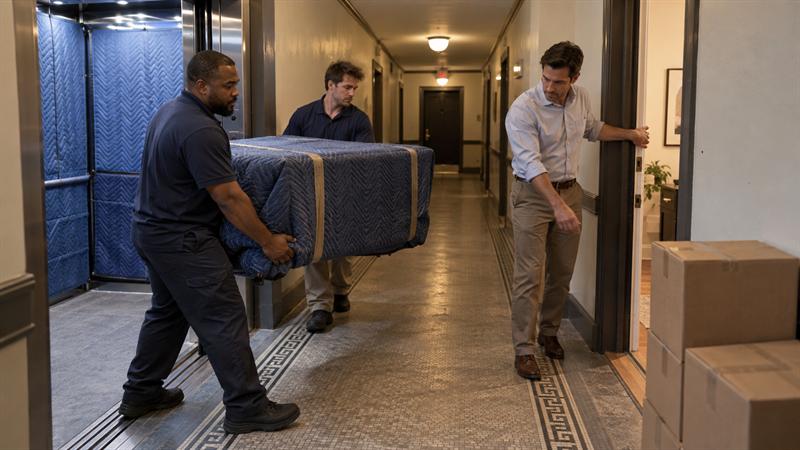
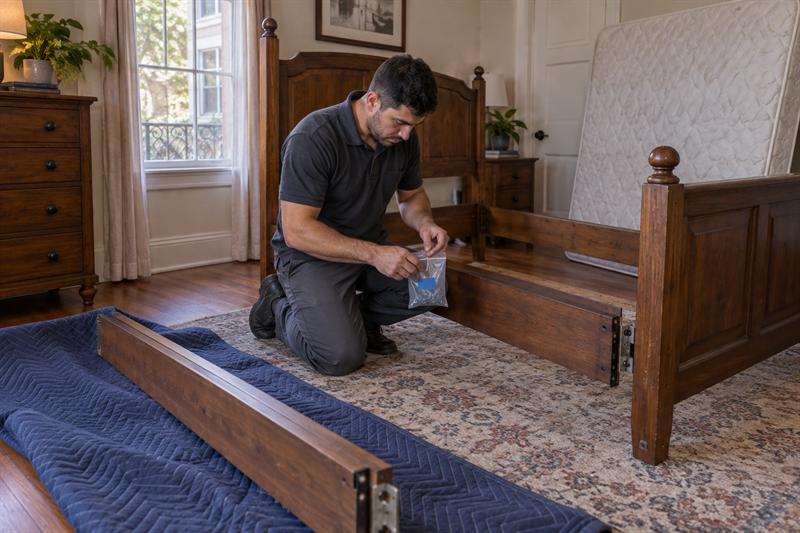
If a piece is oversized, delicate, or difficult to handle safely, the move itself needs the same attention as the storage environment. H and U Express Moving provides handling for large or fragile items in New Orleans for customers who need help preparing these belongings for a move or storage transition.
Upholstered Furniture, Mattresses, Clothing, and Fabrics
Fabric items should enter storage clean and completely dry. Packing damp clothing, covering a damp mattress, or storing upholstered furniture before it dries can trap moisture during storage.
Use covers that fit the item and follow facility requirements. Plastic is not the right option for every piece. The cover, the material, and the planned storage duration should work together.
Electronics, Media, and Appliances
Electronics, media, and appliances need careful preparation before storage. Clean and dry them, pack them to limit shifting, and review manufacturer instructions for batteries, appliance preparation, and longer storage periods.
Secure loose parts and cords, protect screens, and make sure appliances are clean and dry before storage. These details can help reduce avoidable damage and make setup easier when items come out of storage.
Documents, Books, Photographs, Artwork, and Collectibles
Documents, books, photographs, and artwork often carry high sentimental value and limited replacement options. A family photo album, important records, or original artwork cannot simply be replaced after a storage problem.
Pack these items carefully, label them clearly, and create a separate inventory for anything valuable or irreplaceable. Valuable art and collectibles may also need specific appraisal, conservation, or insurance guidance beyond general moving and storage preparation.
When Is Climate-Controlled Storage Worth Considering?
Climate-controlled storage is worth considering when belongings are sensitive, the timeline is extended, or replacement would be difficult. A practical approach is to reserve the more stable environment for items where poor storage conditions could have greater consequences.
When Storage Will Last Longer Than a Brief Transition
The longer belongings remain in storage, the more important the environment may become. A brief holding period is different from a renovation that expands, a delayed move-in date, or an open-ended transition.
This becomes especially relevant when a planned few weeks turns into months. For longer timelines, review long-term storage options in New Orleans before loading the unit rather than after belongings are already packed away.
When Belongings Are Valuable, Fragile, or Difficult to Replace
Price is not the only measure of value. An inherited piece of furniture, a box of family records, or a child’s artwork may matter far more than its resale value suggests.
If you are storing items that would be costly, upsetting, or impossible to replace, the storage plan may need more than basic boxes and available space. Choose the environment and packing approach based on what would be hardest to lose.
When Heat and Humidity Are Part of the Storage Decision
Outdoor weather does not tell the whole story, but it should prompt the right questions. In a warm, humid area, confirm the conditions inside the facility instead of assuming every unit offers the same level of protection.
Ask what the facility means by climate controlled, whether humidity is addressed, and what access or unit rules affect your setup. Clear answers before move-in can help avoid rushed decisions after a unit is full.
When Packing Alone Is Not Enough
Strong boxes, furniture covers, and wrapping protect belongings during handling and transport. They do not change the environment around the items once the unit is closed.
Protection works best as a sequence:
- Clean and dry the belongings.
- Use packing materials that match the item.
- Handle fragile and heavy pieces carefully.
- Choose storage conditions that fit the timeline and materials.
- Organize the unit so items remain accessible and protected.
Overlooking any part of that sequence can leave belongings less prepared for storage.
Climate Control Is Only One Part of Protecting Stored Belongings
A controlled environment helps, but it cannot correct poor preparation. The condition of belongings when they enter storage, the way they are packed, and the way the unit is organized all affect how well the plan holds up over time.
Start With Clean, Dry Belongings
Clean and fully dry furniture, appliances, clothing, and household goods before packing. Do not place damp textiles, unclean appliances, or recently wet items into boxes and assume the unit will solve the problem.
Moisture that starts inside a box or cover stays with the item and can become harder to address the longer it remains packed.
Use Packing Materials That Match the Item
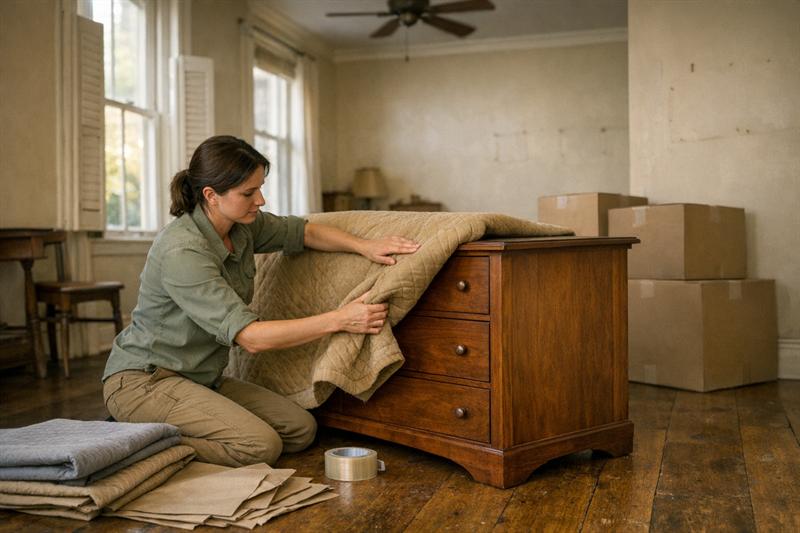
Use sturdy boxes for household goods, protective wrapping for fragile items, and suitable covers or padding for furniture. Label boxes clearly so fragile items are not buried beneath heavy containers or handled roughly during retrieval.
When items need more than basic boxing, professional packing can provide a more deliberate setup for fragile or difficult-to-handle belongings before storage. H and U Express Moving can help customers prepare belongings for moving and storage transitions.
Organize the Unit for Safe Access
A packed unit becomes difficult to use when no one can reach what they need without shifting stacks, climbing over boxes, or moving fragile items. Leave a walkway, keep frequently needed belongings near the front, and place heavier items low.
Unlabeled stacks, fragile goods beneath heavier containers, and a blocked access path can lead to rushed handling and make it harder to retrieve or check stored items.
Review Facility Features and Coverage Before Moving In
Before placing items in storage, confirm the facility’s climate-control features, access hours, security measures, unit location, prohibited items, payment terms, and coverage responsibilities. Take photos and document the condition of high-value belongings before they go in.
Storage agreements and insurance coverage vary. Review the agreement carefully and speak with the facility or your insurance provider about questions related to your belongings and coverage.
Climate-Controlled Storage Checklist
Use this checklist before booking or loading a storage unit:
- Are the items made from wood, fabric, paper, leather, electronics, or other sensitive materials?
- Will the storage period extend beyond a brief transition?
- Would the item be hard, costly, or impossible to replace?
- Are all items clean and fully dry before packing?
- Do the packing materials match the item and storage timeline?
- Has the facility explained what its climate-controlled environment includes?
- Are high-value items documented and clearly inventoried?
- Can the unit be organized with a walkway and safe stacking plan?
If several answers are yes, climate-controlled storage and a more deliberate packing plan are generally worth considering.
Storage Support for New Orleans Moves
If your storage plan includes a delayed closing, renovation, temporary housing, fragile furniture, or belongings you cannot easily replace, address those details before moving day. Planning ahead can help avoid rushed packing, a poorly organized unit, and storage choices that do not fit the items involved.
- Furniture, artwork, electronics, or inherited items need additional handling.
- Your move-out date and move-in date do not line up.
- You expect storage to last longer than originally planned.
- You do not have the packing materials, time, or help to prepare items properly.
H and U Express Moving offers home moves, professional packing services, short-term storage, long-term storage, and handling for large or fragile belongings for customers navigating New Orleans-area transitions.
Key Takeaways
- Climate-controlled storage provides a more stable indoor environment for belongings that need more consideration than a standard unit provides.
- The decision should be based on the item’s material, condition, value, storage duration, and the conditions maintained at the facility.
- Clean, dry preparation and suitable packing materials remain essential in climate-controlled storage.
- Storage issues can begin with rushed packing, unclear timelines, and units organized for space instead of safe access.
Conclusion
The real issue is not simply finding space for belongings. It is choosing a storage plan that matches what is being stored, how long it will be stored, and the conditions those items may face.
Thoughtful planning can help prevent a rushed unit, poor access, avoidable handling problems, and sensitive belongings stored in an unsuitable environment. H and U Express Moving can help customers coordinate moving, packing, and storage details before moving day.
FAQ
Is climate-controlled storage worth the cost?
Climate-controlled storage is worth considering when items are sensitive to heat or humidity, hard to replace, valuable, sentimental, or likely to stay stored for an extended period. An heirloom dresser or family photo collection may deserve a different plan than basic replaceable household items. Review the item’s value and expected timeline, then confirm the conditions maintained by the facility.
What items should go in climate-controlled storage?
Wood furniture, antiques, electronics, documents, photographs, artwork, instruments, upholstered pieces, and collectibles are common candidates. The reason is not just the item category. Material, condition, storage duration, and replacement difficulty determine how much consideration the item needs. For high-value or specialty pieces, follow manufacturer or qualified care guidance before storage.
Does climate-controlled storage control humidity?
Some facilities manage temperature and humidity, while others focus mainly on temperature. Climate controlled does not mean every location offers identical conditions. Ask the storage provider what it monitors, whether humidity management is included, and how the environment is maintained before selecting a unit.
Do I need climate-controlled storage for furniture?
Climate-controlled storage is a practical choice for wood, upholstered, antique, leather, or difficult-to-replace furniture, especially for a longer storage period. Furniture should still be clean, dry, protected with suitable materials, and stored without heavy items pressing against it. Check specialized care instructions for antiques and delicate finishes.
How should I pack belongings for climate-controlled storage?
Start with clean, dry items. Use sturdy boxes, protective wrapping for fragile pieces, clear labels, and an inventory that identifies valuable belongings. Keep heavy items low, leave a pathway through the unit, and avoid stacking fragile goods beneath weight. Climate control supports the plan, but careful packing helps keep the unit organized and easier to access.
Can H and U Express Moving help with storage during a move?
H and U Express Moving offers home moves, professional packing services, short-term storage, long-term storage, and handling for large or fragile items. If a move includes a storage gap, identify sensitive belongings and the expected timeline before move day so the packing and storage plan can be organized around the items that need the most care.