When a move, renovation, or housing gap puts belongings into storage, the question is not only how much space is needed. It is also whether the items will come back out in usable condition. H and U Express Moving helps customers plan for furniture, family items, and fragile belongings that need to stay protected between homes.
Climate-controlled storage adds an important layer of protection when storage lasts longer than expected or includes materials that do not handle heat and moisture well. The unit matters, but so do the packing materials, loading method, and plan for retrieving items later.
What Is Climate-Controlled Storage?
What climate-controlled storage generally means
Climate-controlled storage is an indoor storage option designed to maintain more stable conditions than a standard non-climate-controlled unit. It reduces exposure to sharp temperature changes and may also address humidity, depending on the facility and unit type.
This is especially relevant when belongings will remain stored for weeks or months. More stable conditions can help limit repeated expansion, contraction, and moisture exposure that may affect sensitive household materials over time.
Climate control and humidity control are not always the same
Climate control and humidity control are related, but they are not the same promise. A facility may maintain a more consistent temperature without managing humidity to the same degree, so confirm what the specific unit provides before reserving it.
- Ask whether the unit manages temperature, humidity, or both.
- Ask whether those features apply to the exact unit being rented.
- Ask how the facility monitors indoor conditions.
- Ask whether restrictions apply to the belongings being stored.
It is best to look beyond the label and ask direct questions. Paper, wood, leather, fabric, metal, and electronics do not all respond to environmental changes in the same way.
The Main Climate-Controlled Storage Benefits
More stable conditions for sensitive household materials
Wood, leather, fabric, paper, and composite materials can be affected when conditions change repeatedly. Furniture can shift or warp, paper goods can deteriorate, and finishes or fabrics can be affected when belongings sit in unsuitable conditions for too long.
Climate-controlled storage does not make items indestructible. It reduces one source of stress on household belongings: repeated exposure to changing heat and moisture conditions.
Reduced exposure to moisture-related concerns
Moisture becomes a bigger concern when items enter storage damp, unclean, or tightly wrapped in materials that hold moisture in. In those conditions, odors, mildew, corrosion, and material deterioration can develop over time.
Preparation matters as much as the storage unit. Climate control cannot fully correct furniture stored while damp, boxes packed with wet textiles, or appliances closed before they have dried completely. Items should be clean and dry before they are packed.
Additional protection for long-term storage
Long-term storage gives environmental issues more time to affect belongings. A brief gap between move-out and move-in is different from storing a household for several months, especially when construction delays, closing-date changes, or temporary housing extend the timeline.
For longer timelines, climate control is often a practical choice for sensitive and hard-to-replace items. Readers planning an extended storage period can review long-term storage in New Orleans when building a moving and storage plan.
A more suitable option for valuable, delicate, and irreplaceable belongings
The decision is not based only on what an item costs. Family photographs, inherited furniture, personal records, artwork, and keepsakes can be impossible to replace even when they have limited resale value.
- High replacement cost: electronics, quality furniture, specialty equipment, and collectibles.
- High sentimental value: photographs, heirlooms, handmade pieces, and family records.
- High material sensitivity: wood, leather, paper, textiles, metal, and delicate finishes.
If an item falls into more than one of these groups, it deserves more deliberate storage planning. Treating every box in a household the same can lead to the wrong storage choice.
What Items May Benefit Most From Climate-Controlled Storage?
Climate-controlled storage is not necessary for every possession. It is most useful for items that are sensitive to changing conditions, difficult to replace, or likely to remain in storage long enough for poor preparation to become a larger problem.
Wood, leather, upholstered furniture, and mattresses
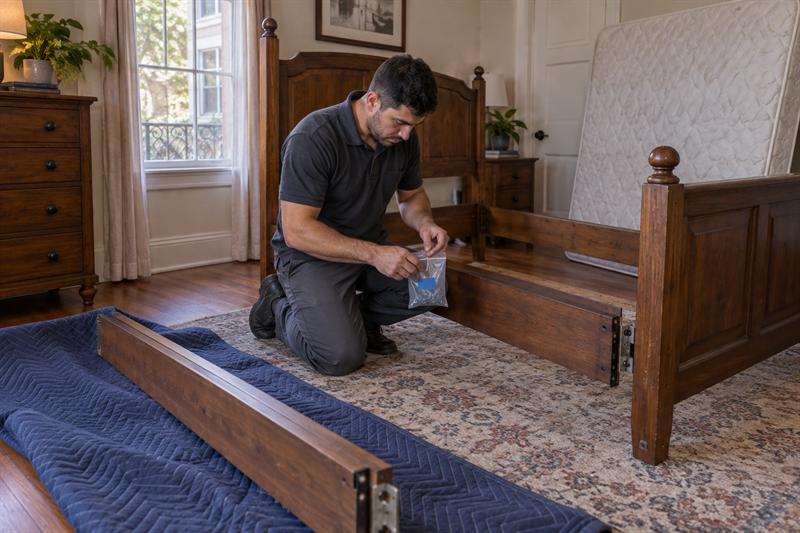
Wood furniture can react to changes in moisture conditions, while leather and upholstery should be clean and fully dry before storage. Mattresses also need appropriate protection and should not sit directly on the floor, where they can collect dust and have limited airflow.
Furniture protection begins before the unit is loaded. Proper wrapping, padding, and safe placement help reduce transport and stacking damage that climate control cannot solve. For difficult pieces, deciding between professional packing and DIY packing is an important step before move day.
Electronics, media, and household technology
Televisions, computers, speakers, cameras, gaming systems, and older media formats should be packed to limit movement and pressure during transport. Original packaging can be useful when available, but correctly sized moving boxes and proper cushioning can also provide protection when used carefully.
For item-specific storage requirements, follow manufacturer guidance whenever it is available. Electronics are not all built the same, so one storage method should not be assumed to fit every device.
Documents, photographs, books, and family keepsakes
Paper-based items are especially vulnerable when moisture and changing conditions are ignored. Important photos, books, records, and documents should be packed in clean, sturdy containers and kept accessible if they may be needed during the storage period.
Essential documents should not disappear into the back of an overfilled unit. When boxes of records are mixed with ordinary household goods, the storage plan may need to be reorganized before loading begins.
Artwork, collectibles, antiques, and musical instruments
Artwork, antiques, instruments, and collectibles need individual planning because their materials, age, condition, and value vary widely. Climate control may be appropriate, but it is only one part of the plan for these items.
Repeated handling can also create unnecessary risk. Specialty items often need careful wrapping, secure loading, and a clear path into the unit. Review what items require specialty moving services before moving unusually large, fragile, or valuable belongings.
Is Climate-Controlled Storage Worth It for Your Situation?
Climate-controlled storage is often worth considering when belongings are sensitive, valuable, irreplaceable, or expected to stay in storage for an extended period. Standard storage can be reasonable for durable, clean, dry, properly packed items that do not need the same level of environmental protection.
Consider material, value, and replaceability
Start by separating items according to what they are made of and what losing them would mean. A plastic bin of seasonal decorations does not require the same decision process as a wood bedroom set, framed photographs, or a computer.
If an item is expensive, sentimental, or difficult to replace, plan for appropriate protection before storage. If an item shows signs of poor storage conditions, reassess the storage environment and packing approach.
Consider how long the belongings will be stored
Short-term storage does not automatically mean climate control is unnecessary. Sensitive belongings can still benefit from stable conditions during a short gap, especially when a planned two-week transition turns into several months.
Storage can become more expensive when it is booked at the last minute without a realistic timeline. Build in room for delays and choose a storage plan based on the likely timeline, not only the original move date.
Consider local conditions and the specific storage environment
In the New Orleans area, heat and humidity make storage conditions an important part of move planning. The building, unit location, indoor access, and facility practices can all affect the environment surrounding stored belongings.
Inspect the unit when possible and ask what the facility manages. Getting a clear answer before move day is better than discovering a limitation after furniture and boxes are already inside.
When standard storage may be a reasonable option
Standard storage can make sense for durable items that are clean, dry, properly packed, and not highly sensitive to changing conditions. Certain outdoor equipment, tools designed for outdoor use, and basic household goods can fall into this category.
The key is not to use standard storage as the default for everything. If one unit contains sensitive furniture, electronics, personal records, and everyday durable items, separating them into different storage plans may be the more sensible approach.
Storage Protection Starts With Proper Packing and Handling
Climate-controlled storage will not fully correct a poor packing job. Many storage problems begin before the unit door closes: damp items are packed too quickly, furniture is wrapped incorrectly, fragile boxes are placed under heavy cartons, and units are filled without an access plan.
Clean and completely dry items before storage
Remove dust, food residue, moisture, and debris before packing. Let washed textiles, appliances, containers, and furniture dry completely before they are boxed, wrapped, or sealed.
Skipping this step can trap moisture and create odors that affect nearby belongings. A climate-controlled unit is a better environment, but it should not replace basic preparation.
Use protective materials suited to the item
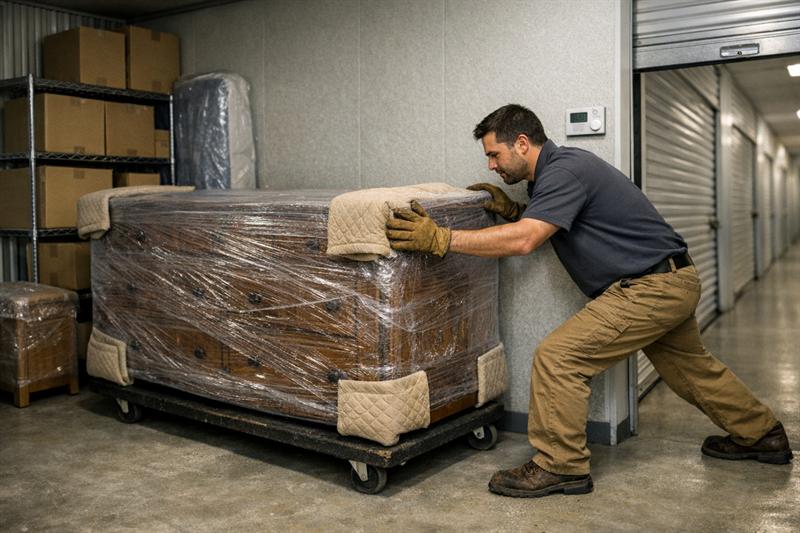
Use sturdy boxes for boxed goods, cushioning for fragile items, furniture pads for large pieces, and appropriate mattress protection for beds. Each material should do a specific job: reduce shifting, limit pressure, and protect surfaces during transport and storage.
Fragile belongings need more than a quick layer of wrapping. Glass, artwork, electronics, and delicate household items should be packed so they are less likely to move when carried, loaded, or stacked.
Avoid packing choices that trap moisture or create pressure points
Do not seal items before they are completely dry. Avoid compressing fragile belongings into boxes that are too small, and do not stack heavy cartons on boxes marked fragile.
Small packing shortcuts can result in damaged items. Pressure points, crushed corners, and trapped moisture do not improve while boxes sit in storage and may become more noticeable over time.
Pack the storage unit for retrieval, not only for maximum capacity
Leave an access aisle and place frequently needed items near the front. Keep heavy boxes low, label cartons by room and general contents, and avoid unstable stacks that make one item difficult to retrieve without unloading much of the unit.
It is easy to pack a unit tightly on move day when the focus is on fitting everything inside. That can create a problem later when documents, seasonal items, or one piece of furniture is needed. Storage should be organized for safe retrieval from the start.
When Your Storage Plan Needs to Change
If your storage setup includes any of these signs, revisit the plan before loading more items:
- Furniture, mattresses, or textiles are being stored before they are fully dry.
- Fragile boxes are stacked under heavier cartons or have no clear labels.
- Important records, electronics, or family keepsakes are mixed into general household boxes.
- The unit is so full that there is no aisle or safe way to reach items later.
These conditions can contribute to preventable damage, inaccessible belongings, and repeated handling when the unit has to be unpacked later. Reassess the unit size, packing materials, and protection level before move day.
Questions to Ask Before Choosing a Climate-Controlled Storage Unit
The right storage unit should fit both the belongings and the way they will be moved in and out. Asking a few direct questions helps prevent access or environmental limitations from becoming clear only after the unit is full.
What conditions does the facility actually manage?
Ask whether the unit is climate controlled, humidity controlled, or both. Confirm how those conditions are monitored and whether the stated features apply to the exact unit you plan to rent.
Do not assume the term means the same thing everywhere. A direct answer from the facility gives you a clearer basis for deciding what belongs in that unit.
Is the unit indoors, and what does access look like?
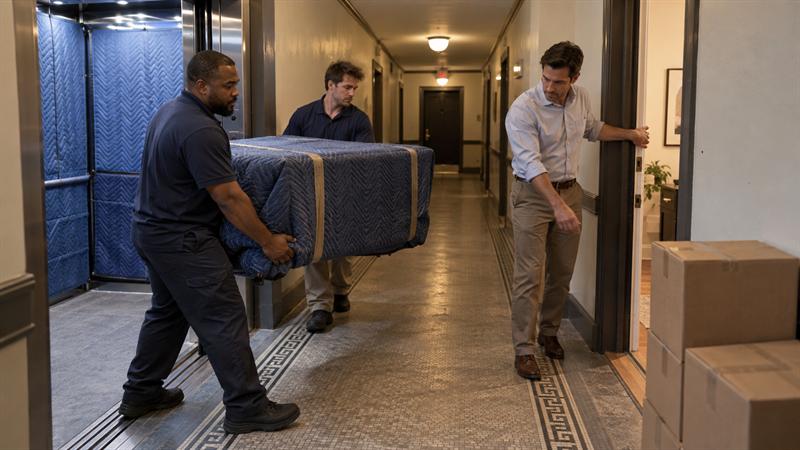
Ask about indoor hallways, loading areas, carts, elevators, door widths, and access hours. These details matter when the storage plan includes large furniture, heavy boxes, or fragile items that should not be carried through tight or difficult routes.
If moving day involves stairs, elevators, parking restrictions, or narrow access points, plan those details early. Storage access that looks simple online can become a major delay on move day.
What security, coverage, and facility policies apply?
Ask about access controls, lighting, monitoring, and facility procedures. Review the storage agreement carefully and understand any coverage or protection-plan requirements before signing.
It can also be helpful to review homeowners or renters insurance terms for off-premises storage coverage, where applicable. Coverage depends on the policy and agreement, so confirm details directly rather than making assumptions.
Is the unit size right for safe loading and future access?
The smallest unit that fits everything is not always the right unit. A unit that forces unstable stacking or blocks access to needed items can create problems when something has to come out.
Plan for furniture placement, box height, and an aisle if you expect to retrieve anything before the final move-in. Safe loading and easy access are part of protecting the belongings inside.
Climate-Controlled Storage for Moves, Renovations, and In-Between Housing
Storage needs usually appear because a timeline changes. A closing date moves, a lease ends, a renovation takes longer, or a household needs to be cleared before the next home is ready.
The best storage plans begin before the truck arrives. When moving, packing, and storage are coordinated, fragile and large items may be handled fewer times, the unit can be loaded with a plan, and important belongings are easier to retrieve. Learn more about how moving and storage services work together when a move includes a gap between homes.
H and U Express Moving provides home moving, protective packing, short-term and long-term storage, and careful handling for large or fragile belongings. This approach helps customers plan the full path from the home to the unit instead of treating storage as a last-minute detail.
Key Takeaways
- Climate-controlled storage provides a more stable indoor environment for sensitive belongings.
- It is especially useful for wood furniture, leather, electronics, documents, photographs, artwork, and irreplaceable keepsakes.
- Climate control does not replace cleaning, drying, protective packing, careful loading, and organized storage.
- Storage duration, item materials, local conditions, and facility-specific features should guide the decision.
- Ask the facility what it actually controls before reserving a unit.
Conclusion: Choose Storage Conditions That Match What You Are Storing
The real storage challenge is not simply a lack of square footage. It is placing sensitive belongings into a space without accounting for heat, moisture, packing quality, storage duration, and future access. When those details are overlooked, small packing mistakes can leave items damaged, inaccessible, or difficult to replace.
H and U Express Moving can help New Orleans customers coordinate moving and storage as one plan. Arrange appropriate packing, protective supplies, careful handling, and a storage approach before move day so furniture, fragile items, and household belongings are prepared for the full transition.
Frequently Asked Questions
What are the main benefits of climate-controlled storage?
Climate-controlled storage provides a more stable indoor environment that reduces exposure to major temperature changes and, depending on the facility, high humidity. It is especially useful for belongings made from wood, paper, leather, fabric, metal, and sensitive electronic components.
For example, a household storing family photographs, a wood dining set, and electronics for several months may need a different plan than someone storing durable outdoor equipment briefly. Confirm what the specific facility manages before reserving a unit.
What items should be stored in climate-controlled storage?
Wood and leather furniture, electronics, documents, photographs, books, artwork, antiques, instruments, collectibles, and irreplaceable keepsakes are strong candidates for climate-controlled storage. The decision should reflect the item’s material, condition, value, and expected storage period.
For example, inherited furniture and framed family photos may deserve more deliberate protection than ordinary plastic storage bins. Make an inventory of sensitive items before choosing a unit.
Does climate-controlled storage control humidity?
Not always. Some facilities manage both temperature and humidity, while others focus primarily on temperature stability.
Humidity is an important consideration for paper records, photographs, wood, leather, fabrics, metal, and electronics. Ask the provider whether humidity is monitored or managed in the exact unit type being considered.
Is climate-controlled storage worth it for furniture?
Climate-controlled storage is generally worth considering for wood, leather, upholstered, antique, or sentimental furniture, particularly when storage will last for months. Furniture also needs to be clean, dry, protected with suitable materials, and safely positioned in the unit.
For example, a wrapped wood table placed under unstable stacks can still be damaged in a climate-controlled unit. Protect the item during packing and loading first, then match it with the right storage environment.
Is climate-controlled storage necessary for short-term storage?
Short-term storage does not automatically require climate control, but sensitive or irreplaceable items can still benefit from stable conditions. The practical decision depends on what is being stored, how it is packed, and whether the short storage period could become longer.
A two-week housing gap can extend when a renovation or closing date changes. Plan for the likely timeline, not only the ideal timeline.
How should belongings be packed for climate-controlled storage?
Clean and dry items completely, use protective materials that fit the item, cushion fragile pieces, avoid trapping moisture, label boxes, keep heavy cartons low, and leave an access aisle. These steps help prevent problems that climate control alone cannot solve.
For example, a storage unit packed only for maximum capacity becomes difficult to access and can create unstable stacks. Load it with retrieval in mind, keeping frequently needed boxes near the front.