
Quick Answer: A moving timeline works best when you confirm your dates, inventory, access details, and moving support before you begin packing. Booking movers, packing low-use rooms first, and planning for storage early can help prevent last-minute issues from becoming move-day delays.
Moving can feel stressful when every task seems equally urgent. People often start with boxes when the more important planning questions involve the move window, building access, large furniture, fragile items, and whether the new home will be ready on time.
This moving timeline breaks the process into clear stages, from the first planning decisions through the first week in the new home. It is designed for local residential moves in New Orleans and helps you decide what needs attention now and what can wait.
Start With the Decisions That Shape Your Moving Timeline
Before packing a single room, confirm the details that shape the rest of the move. When the schedule, inventory, and access plan are unclear, those gaps can surface when the truck is ready to load.
- Confirm your move-out and move-in dates.
- Make a basic inventory of furniture, boxes, fragile items, and oversized belongings.
- Check parking, elevator, loading, and building requirements.
- Decide whether belongings will go directly to the new home or into storage first.
Confirm Your Move Window and Key Dates
Start with the dates that are least likely to change: lease end dates, closing dates, possession dates, elevator reservations, and building move windows. If there is little flexibility between moving out and moving in, that timing should shape the plan from the beginning.
A delayed closing, restricted loading window, or missed elevator reservation can lead to rushed packing, changed delivery plans, or a storage need that was not considered early enough. Confirm dates with the people or property managers involved, then share changes as soon as they happen.
Estimate What Is Moving, What Is Staying, and What Needs Special Care
Make a working inventory before requesting moving information or setting a packing schedule. Focus first on major furniture, appliances, mirrors, artwork, electronics, large boxes, and anything that needs careful handling or disassembly.
- Items moving to the new home
- Items being donated, sold, recycled, or discarded
- Belongings going into short-term or long-term storage
- Large furniture and heavy items
- Fragile, awkwardly shaped, or sentimental belongings
A clear inventory gives the move structure. When furniture or specialty items are added at the last minute, the work can change quickly. For example, a move that begins as a straightforward apartment or home relocation may later include patio furniture, oversized mirrors, storage-unit contents, or belongings that need extra protection.
Check Parking, Elevator, Loading, and Building Requirements
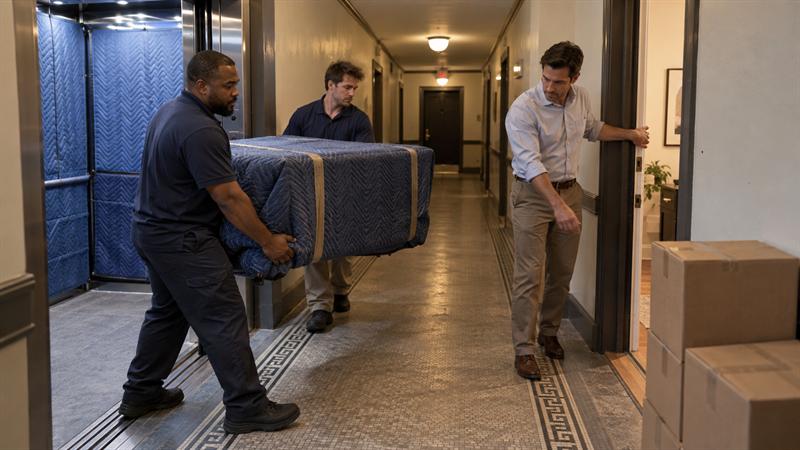
Apartment buildings, condos, managed communities, and dense neighborhoods may have specific move procedures. These can include elevator reservations, loading-zone instructions, parking restrictions, gate codes, move-hour limits, or required contact information.
Do not assume the same access rules apply at both addresses. Confirm requirements directly with the landlord, property manager, or building management. If you are moving from or into a building with stairs, elevators, tight spaces, or limited parking, review the apartment moving guide for stairs, elevators, parking, and tight spaces before finalizing the plan.
Decide Early Whether Storage May Be Part of the Move
Storage is easier to plan before final packing than after the move-out date arrives. Short-term storage may be useful when there is a gap between homes, a delayed closing, temporary housing, or renovation work. Long-term storage may suit belongings that will not be needed soon but should remain organized and available later.
- Short-term storage may fit when: your new home is not ready, dates do not align, or you need to stage the move in phases.
- Long-term storage may fit when: you are keeping furniture or personal belongings that will not be used in the near future.
Mixing storage-bound boxes with items needed immediately can create confusion at delivery. Separate and label those belongings while packing so the move does not become a sorting project after everything is loaded.
8 or More Weeks Before Moving Day: Set the Plan and Explore Moving Options
When you have eight or more weeks, use that time to define the move instead of packing everything at once. The goal is to understand the size of the move, reduce what does not need to travel, and decide what support will make the schedule realistic.
Create a Household Moving Inventory
Walk through each room and list the larger items first. Include furniture, appliances, outdoor items, storage-room contents, fragile décor, and anything that may require disassembly or special handling.
Then estimate the remaining household contents by room. The inventory does not need to be perfect on day one, but update it when major items are added, sold, donated, or moved into storage. This helps prevent a move planned around one scope of work from growing substantially during the final week.
Compare Moving Support Based on the Scope of Your Move
The right moving support depends on more than the number of bedrooms. Stairs, elevators, parking distance, heavy furniture, fragile items, available packing time, and move-date flexibility can all affect the plan.
When comparing residential moving services, ask what is included, what protective supplies are provided, whether packing support is available, and how large or fragile belongings are handled. H and U Express Moving publishes hourly moving packages with included protective supplies, giving customers details to review before move day.
Ask About Packing, Protective Supplies, and Fragile Items
Identify fragile, oversized, unusually shaped, or high-use belongings early. Mirrors, artwork, electronics, large furniture, and items with sentimental value should not be treated like ordinary boxes at the end of the process.
- Ask what protection is used for furniture and fragile items.
- Identify items that need special handling before moving day.
- Decide whether packing help is needed for delicate or time-sensitive belongings.
- Keep an updated list of items that require extra attention.
Trying to solve specialty-item needs on moving day can lead to rushed decisions. Include those items in the inventory early so the moving plan reflects the actual work involved.
Start Sorting Before You Start Packing
Sort first, then pack. Create separate categories for items that are moving, being donated, sold, recycled, discarded, or stored. Packing items you do not intend to keep adds work at every stage: boxing, loading, unloading, and unpacking.
Postponing sorting until the final week can result in boxes filled with unwanted items and a less accurate picture of the move. Reduce the volume early, then pack only what belongs in the next home or storage plan.
6 to 4 Weeks Before Moving Day: Book Movers and Begin Packing
This is where the plan becomes operational. Once the dates, inventory, access details, and service needs are clear, book moving support and begin packing items you will not use every day.
When to Book Movers
Book movers after you know your move window, general inventory, access conditions, and packing needs. Earlier contact can provide more planning flexibility, especially when your date is fixed, your building has restrictions, or the move includes large furniture, fragile belongings, long carries, elevators, or packing assistance.
Book sooner when the move involves:
- A larger home or a high volume of furniture and boxes
- A fixed move date with little scheduling flexibility
- Elevators, stairs, limited parking, or long carrying distances
- Large, fragile, or specialty items
- Packing assistance or storage coordination
If your moving date is fixed but your inventory, access plan, or packing needs are still unclear, resolve those details now. Waiting until the final week can leave you planning around incomplete information.
Prioritize early coordination if:
- You have an elevator reservation or a restricted move window.
- You are not sure whether all furniture will fit at the new home.
- You need temporary storage between addresses.
- You have fragile or oversized belongings that need advance planning.
These details call for a defined plan before packing accelerates. H and U Express Moving provides home moving, packing, storage, and handling for large or fragile items based on the scope of the move.
Reserve Access and Parking Arrangements
Confirm loading access at both locations during this stage. Reserve elevators if needed, identify approved parking areas, verify loading routes, collect gate codes, and make sure you have the correct building contacts.
Parking and access issues can delay loading, complicate communication, and force decisions when the move should already be underway. Confirm the details directly with the property, then keep them available for moving day.
Begin Packing Low-Use Rooms First
Pack items based on how often you use them. Start with rooms and belongings that will not disrupt daily life if they are boxed several weeks before the move.
- Pack now: guest-room items, décor, books, seasonal clothing, off-season kitchenware, storage areas, and rarely used household items.
- Keep out for later: daily clothing, medications, toiletries, essential kitchen items, chargers, work materials, and pet or child supplies.
Packing by frequency of use helps keep the home functional while the move is underway. Packing daily essentials too early usually means reopening boxes repeatedly before moving day.
Consider Professional Packing for Time-Sensitive or Fragile Moves
Professional packing may be useful when time is limited, the household is large, or delicate belongings need careful preparation. It is not necessary for every move, but it can help when the packing workload does not match the time available.
Fragile items become harder to manage when they are left for the final days, alongside utilities, access confirmations, cleaning, and final paperwork. Review professional packing versus DIY packing to decide which approach fits your timeline.
3 to 2 Weeks Before Moving Day: Finalize Details and Pack the Rest
At this point, the plan should be specific. Remaining work should focus on confirming details, completing most packing, preparing furniture, and separating anything headed to storage.
Confirm the Moving Plan and Share Important Changes
Reconfirm the date, addresses, parking information, access instructions, and building contacts. Update the moving plan if furniture has been added or removed, if fragile items need special handling, or if access has changed.
Late inventory changes are a common reason a plan no longer matches the work required. Share updates before moving day so the move is organized around the current scope, not the version described weeks earlier.
Schedule Utilities and Update Important Addresses
Schedule utility transfers or start dates for electricity, water, internet, and other services that apply to your home. Update mail forwarding and notify banks, insurers, medical providers, schools, childcare providers, subscriptions, and delivery accounts as needed.
Provider timelines vary, so use the official resources for each service. Handling these tasks before the final week can help avoid gaps in communication and daily household routines after the move.
Prepare Furniture and Identify Specialty Items
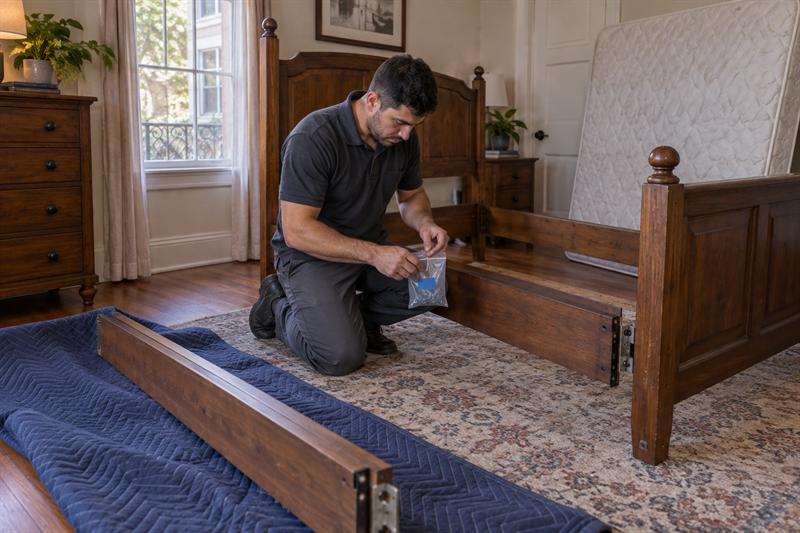
Look for furniture that may need disassembly and identify mirrors, artwork, electronics, unusually heavy pieces, and belongings that are difficult to move through stairs, tight hallways, or narrow doors. Make sure those items are included in the moving plan.
Large and fragile items should be discussed before moving day, not pointed out after loading begins. Clear preparation gives the moving crew information about handling requirements and destination priorities.
Plan for a Gap Between Homes With Storage
If move-out and move-in dates do not line up, decide which items you need immediately and which can go into storage. Short-term storage may be useful for a temporary gap, while long-term storage may fit belongings you do not plan to retrieve soon.
Separate storage items while packing and label them clearly. When everything is packed as though it is going directly into the new home, a storage gap can become a difficult sorting problem at the last minute.
One Week Before Moving Day: Keep Essentials Separate
The final week is for completion and confirmation, not for discovering major moving requirements. Finish most packing, keep daily necessities accessible, and verify access instructions one more time.
Finish Most Packing and Label for the New Home
Finish packing nonessential belongings and label boxes by destination room and general contents. Mark boxes that should be unpacked first, such as kitchen basics, bedding, bathroom supplies, and work essentials.
Destination-based labels make delivery and unpacking easier because boxes can go where they will be used. A vague label such as “miscellaneous” can create more work after the move, when you are trying to find one important item among many boxes.
Pack an Essentials Box and Personal Travel Items
Pack an essentials box for the first day and night in the new home. Keep it separate from the main load so it stays easy to find.
- Medication and basic first-aid supplies
- Chargers and essential electronics
- Toiletries and a change of clothes
- Important documents, keys, and identification
- Pet supplies and children’s necessities
- Snacks, water, basic tools, and cleaning supplies
Important documents, medication, valuables, and irreplaceable personal items are best kept directly with you rather than packed into the moving load. This keeps essential items accessible when you need them.
Reconfirm Access Instructions and Contacts
Confirm entry instructions, parking plans, elevator reservations, gate codes, building contacts, and delivery access at the new address. Do this close enough to moving day that you are working from current information.
Access details can change. A contact may be unavailable, a loading area may have new restrictions, or a building may require a different arrival procedure. Confirming these details can help prevent avoidable delays.
Use a Detailed Checklist for Final Tasks
A timeline tells you when each task belongs. A checklist helps make sure nothing is missed. Use this complete local moving checklist from booking to move-in day to organize final tasks alongside your timeline.
Moving Day: Focus on Access, Communication, and Final Checks
Moving day should focus on clear access, clear communication, and a final review of the home. The main planning should already be complete by this point.
Complete a Final Walkthrough
Check closets, cabinets, drawers, storage spaces, garages, outdoor areas, and appliances if they apply to your move. Take meter readings or photos when relevant to your move arrangement.
A final walkthrough is the last practical chance to catch belongings left behind. Make it systematic, room by room, rather than relying on memory after a long day.
Keep Valuables and Required Documents With You
Keep identification, keys, lease or closing paperwork, medication, financial documents, sentimental items, and essential electronics accessible. These items should not disappear into a box loaded with the rest of the household.
This simple step can prevent a move-day problem: needing an important document, key, charger, or medication while it is packed somewhere in the truck.
Communicate Special Handling and Destination Priorities
Before loading begins, point out fragile belongings, items that need immediate access, and furniture placement priorities at the new home. Share any last-minute access changes immediately.
Clear instructions at the beginning support a more organized move. Waiting until items are already loaded makes it harder to adjust the plan and can create confusion at delivery.
The First Week After Your Move: Unpack by Function, Not Perfection
The first week after a move is about making the home workable, not unpacking every box. Start with the spaces that support daily routines, then work through lower-priority rooms at a practical pace.
Set Up Sleeping, Bathing, and Kitchen Essentials First
Set up beds, bathroom basics, daily medications, essential kitchen items, and everyday clothing before focusing on décor, books, or occasional-use belongings. A functional bedroom, bathroom, and kitchen can make the first days easier.
Trying to unpack everything at once can create disorder and make it harder to find what you need. Start with function, then move room by room.
Check Utilities and Key Home Systems
Confirm that essential utilities and services are active. If there is an issue, document it and contact the appropriate utility provider, landlord, property manager, or qualified service provider.
Address basic service issues while unpacking continues. Electricity, water, internet, and other household essentials affect the move-in process and are usually early priorities.
Set a Practical Plan for Stored Belongings
Retrieve stored belongings based on available space, renovation progress, and what the household needs next. There may be little benefit in bringing every stored item into a home that is still being organized.
Keep storage labels and a basic inventory available. That can make it easier to retrieve the right items without turning storage into another full unpacking project.
Need to Move Sooner? Use This Short-Notice Moving Timeline
A short-notice move requires prioritization. You do not need to complete every ideal task, but you do need to handle the details that affect access, moving support, packing, and storage first.
First Priorities for a Short-Notice Move
- Confirm the move-out and move-in dates.
- Contact movers with the most accurate inventory available.
- Identify parking, elevator, stairs, and access restrictions.
- Separate large, fragile, and specialty items from ordinary household boxes.
- Decide whether storage is needed between addresses.
- Determine whether packing help is needed for the available timeline.
Short-notice moves can become harder when limited time is spent organizing décor or cleaning out drawers while major logistics are still unresolved. Handle move conditions first, then pack and sort around the plan.
What Can Wait Until After the Move
Deep organization, décor choices, nonessential room setup, and long-term storage sorting can often wait until the household is settled. Focus first on access, essentials, critical packing, and the belongings needed for daily life.
A move does not need to be perfectly organized before moving day, but it does need a workable plan for getting belongings out, transported, and into the right place.
Key Takeaways for Building a Realistic Moving Timeline
- Start with confirmed dates, access rules, parking needs, and the real scope of the move.
- Book moving support once you understand the inventory, move window, and any packing or specialty-item needs.
- Pack low-use rooms first and keep daily essentials available until the final week.
- Share inventory changes, building instructions, and special-handling details before moving day.
- Plan storage early if move-out and move-in dates do not align.
- Use destination-based labels and an essentials box to make move-in more organized.
- For short-notice moves, solve access and moving logistics first, then focus on packing priorities.
Plan Your New Orleans Move With the Right Support
Moving plans are easier to manage when they are built around complete details. Unclear inventory, unconfirmed access, fragile items left until the last minute, and gaps between homes can all lead to rushed decisions.
H and U Express Moving helps New Orleans residents plan home moves with services that include moving, packing, short-term and long-term storage, and handling for large or fragile items. The company also publishes hourly moving packages and included protective supplies. Review your move date, inventory, and access details, then contact H and U Express Moving to discuss support that fits your move.
Frequently Asked Questions
How far in advance should I start planning a move?
Start planning as soon as you know the move window. Earlier planning is especially useful when you have a larger household, a fixed date, limited building access, fragile items, packing needs, or a possible storage gap.
The first step is not packing. Confirm the dates, inventory, access requirements, and destination plan first. Once those details are clear, the rest of the moving timeline is easier to organize.
When should I book movers for a local move?
Book movers after you know your move window, general inventory, access conditions, and whether you need packing or specialty-item support. Earlier contact can provide more flexibility when the move date is fixed or the job involves elevators, long carries, parking restrictions, or larger furniture.
For example, a home with multiple large pieces, an elevator reservation, and fragile belongings usually needs more advance coordination than a small move with flexible dates. Prepare those details before requesting moving information.
When should I start packing for a move?
Start packing low-use items once your move is confirmed. Guest rooms, seasonal clothing, books, décor, storage areas, and occasional kitchen items are usually good places to begin.
Keep daily clothing, medication, chargers, toiletries, essential kitchen supplies, and pet or child items out until closer to moving day. This helps keep the household functional while the rest of the home is packed.
What should I pack last when moving?
Pack daily essentials last, including medication, toiletries, chargers, everyday clothes, basic kitchen supplies, cleaning items, pet supplies, and children’s necessities. Important documents, keys, identification, valuables, and irreplaceable personal items should stay directly with you.
An essentials box can prevent the first night from becoming a search through dozens of boxes. Pack it during the final week and keep it separate from the main moving load.
What if my move-out and move-in dates do not match?
Consider short-term storage when there is a temporary gap between homes, such as a delayed closing, renovation, or temporary housing arrangement. Separate storage-bound belongings before final packing so they do not get mixed with items needed immediately.
This is one reason storage belongs in the moving timeline from the beginning. Once belongings are labeled and separated, the transition between homes is easier to manage.
What details should I tell movers before moving day?
Tell movers about inventory changes, large furniture, fragile belongings, stairs, elevators, parking, gate codes, loading instructions, building rules, and items needing special handling. These details shape the moving plan and should be updated before moving day.
If new furniture is added to the move, building instructions change, or storage is needed unexpectedly, update the moving details promptly so the plan reflects the current scope.