Specialty Moving Is About Handling Complexity, Not Just Item Value
Specialty moving services generally apply to belongings that need more planning than standard boxes and manageable furniture. That can include added protection, careful positioning, disassembly, or a closer review of the path from the room to the truck.
An expensive item is not automatically a specialty item, and an inexpensive item is not automatically easy to move. A solid-wood dresser, glass tabletop, bulky exercise machine, or older cabinet with loose joints can each need extra attention for different reasons.
The practical question is whether the item can be packed, carried, and moved through the full route without avoidable clearance, handling, or damage concerns. When the answer is no, specialty planning is usually the right next step.
A Quick Way to Tell Whether an Item Needs Special Moving Attention
Use this checklist while walking through your home. If an item meets one of these conditions, mention it when booking. If it meets several, waiting until the crew arrives can lead to delays and last-minute decisions.
- It is unusually heavy, large, or difficult to hold securely.
- It has glass, mirrors, delicate finishes, exposed hardware, or fragile parts.
- It needs padding, wrapping, disassembly, or careful positioning.
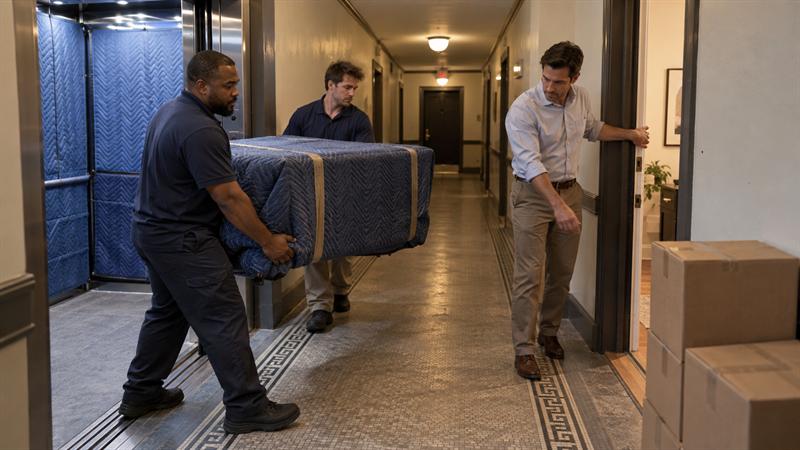
- It must travel through stairs, narrow doors, tight corners, elevators, or a long loading path.
- It is going into storage and needs clear labeling or extra protection.
Describing an item only as “big” or “fragile” can leave important planning details unclear. Photos from several angles, approximate dimensions, and a brief description of the route give movers information they can use.
Is It Unusually Heavy, Large, or Difficult to Grip?
Items become harder to move when they are heavy, unevenly balanced, too wide for a doorway, or difficult to grip securely. Large sectionals, armoires, solid-wood dressers, oversized shelving, and heavy recliners are common examples.
Weight is only one part of the issue. A lighter item with no stable handholds or an awkward center of gravity can be harder to carry than a heavier piece with a clear route. If an item must be turned sideways, moved around a railing, or carried through a tight hallway, the route should be reviewed before moving day.
Is It Fragile, Delicate, or Easy to Damage?
Glass, mirrors, framed artwork, display cabinets, delicate wood finishes, and easily scratched surfaces need more than a quick wrap. Surface protection can help reduce scuffs and scratches, while stabilization can limit shifting and pressure during carrying and loading.
Glass furniture is a good example. The item may seem manageable until exposed edges, removable panels, or a narrow access point change the handling plan. For more detailed preparation guidance, review how to pack fragile items safely for moving before the move.
Does It Need Disassembly, Padding, or Careful Positioning?
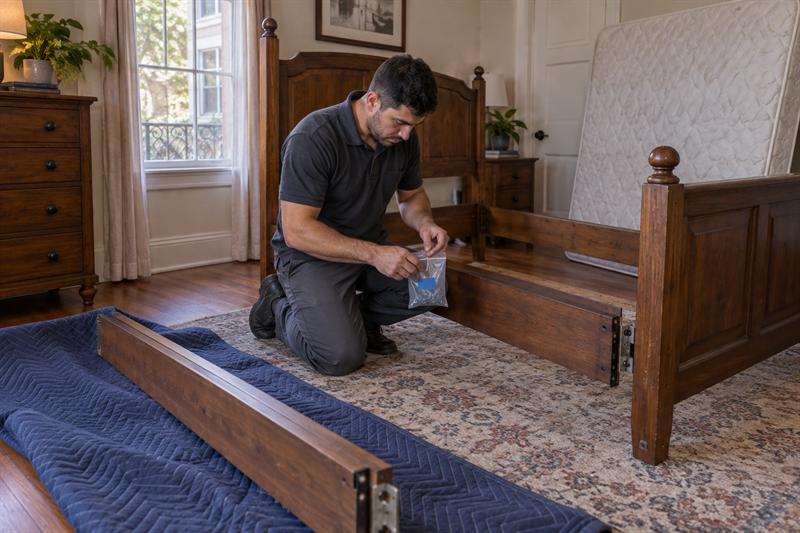
Some furniture is easier to move when parts are removed, secured, or packed separately. Bed frames, large tables, sectionals, shelving units, and furniture with detachable legs or panels often need more preparation than standard chairs or boxed household goods.
Keep hardware together, save assembly instructions when available, and point out loose pieces before the move begins. Missing hardware and separated components can slow setup at the destination, especially when the item needs to be reassembled before it can be used.
Will Stairs, Tight Corners, Elevators, or Parking Make the Move Harder?
Stairs, narrow hallways, sharp turns, small elevators, limited loading access, and long walks from the truck all add complexity. A standard piece of furniture on a ground floor can require specialty planning when it must travel down a narrow stairwell or around a tight landing.
Consider the route at both addresses. A tight doorway, elevator reservation requirement, or parking area far from the entrance means access details should be discussed in advance. The apartment moving guide for stairs, elevators, parking, and tight spaces can help you identify those details before booking.
Common Items That May Require Specialty Moving Services
Common specialty moving items include large furniture, glass and mirrors, antiques, oversized appliances, bulky equipment, and belongings with difficult access routes. These items do not all need the same level of service. Their condition, dimensions, weight, route, and the moving company’s available services help determine the right plan.
Large and Heavy Furniture
Large sectionals, armoires, solid-wood dressers, oversized dining tables, bulky bed frames, and heavy recliners often need closer planning because of their size and weight. Door clearance, detachable parts, carrying points, and the route through the home all affect how the item can be handled.
A common mistake is measuring only the furniture. The narrowest doorway, sharpest turn, staircase, and elevator opening matter just as much. Ignoring those measurements can create delays when the item reaches a point where it cannot move forward easily.
Fragile Furniture, Glass, Mirrors, and Decor
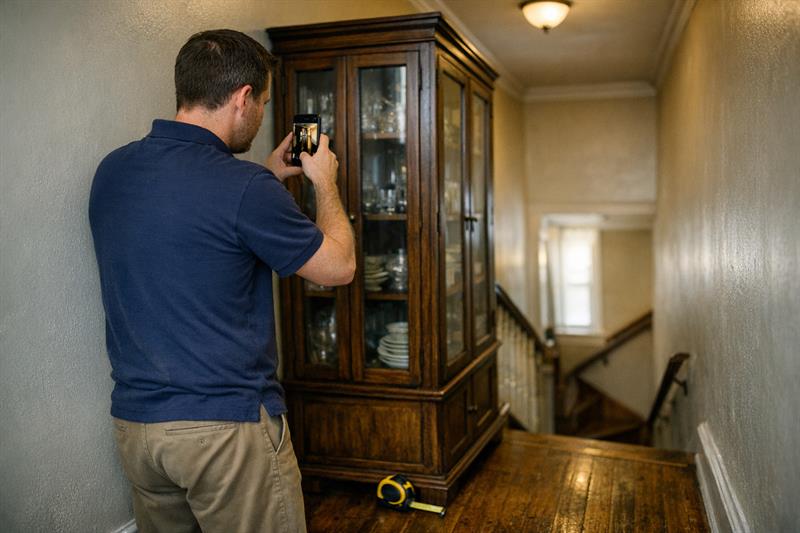
Glass tabletops, mirrors, curio cabinets, framed artwork, lamps, and delicate decor need protection that fits their shape and material. Loose shelves, exposed glass, thin frames, and fragile finishes should be identified before loading begins.
Take photos of existing marks, chips, or loose components. This creates a clear reference point and helps explain what needs attention. Without appropriate stabilization, fragile items can shift, rub, or place pressure on vulnerable areas during the move.
Antiques, Heirlooms, and Sentimental Belongings
Antiques and heirlooms often need advance discussion because older furniture can have fragile joints, worn finishes, or parts that no longer fit tightly. Sentimental value also changes the planning conversation because replacement may not be realistic.
Document loose pieces, existing wear, and known handling concerns. Movers can plan transportation and protection, while appraisal, restoration, authentication, and conservation questions are best directed to an appropriate specialist.
Large Appliances and Electronics
Refrigerators, washers, dryers, large televisions, desktop systems, and other substantial electronics need accurate dimensions, access details, and preparation that follows manufacturer instructions. Their size is only part of the issue. Connections, internal components, and transport position can also affect moving plans.
Gas, plumbing, and electrical disconnection may require a qualified professional. Confirm that the appliance will be disconnected and ready before moving day to help prevent delays caused by an item that is not ready to move.
Bulky or Unusually Shaped Household Belongings
Exercise equipment, safes, large display pieces, unusually shaped furniture, and other difficult-to-turn belongings need specific advance discussion. Not every moving company handles every specialty category, so a clear description is better than assuming an item fits within a standard move.
Photos, dimensions, approximate weight when known, and details about stairs or tight corners are a practical starting point. If an item is difficult to move around inside the home, it usually needs a plan before it reaches the truck.
Specialty Items Going Into Storage
Specialty items going into short-term or long-term storage benefit from more than a room label. Fragile and hard-to-replace belongings should be inventoried, protected, and labeled so they can be identified when it is time to retrieve them.
Storage becomes harder to manage when items are packed without a retrieval plan. Boxes can be stacked, parts can be separated, and important pieces can become difficult to locate during the next move. Review storage policies, access terms, and restrictions before preparing specialty items for storage.
What Makes a Move More Complex Than the Item Itself
The item is only half of the equation. The route from its current location to the truck, then from the truck to the new room, helps determine whether the move stays straightforward or requires additional handling planning.
Furniture can fit comfortably in a living room but still be difficult to move out of the home. The earlier those access conditions are identified, the more practical the move-day plan can be.
Building Access and Parking
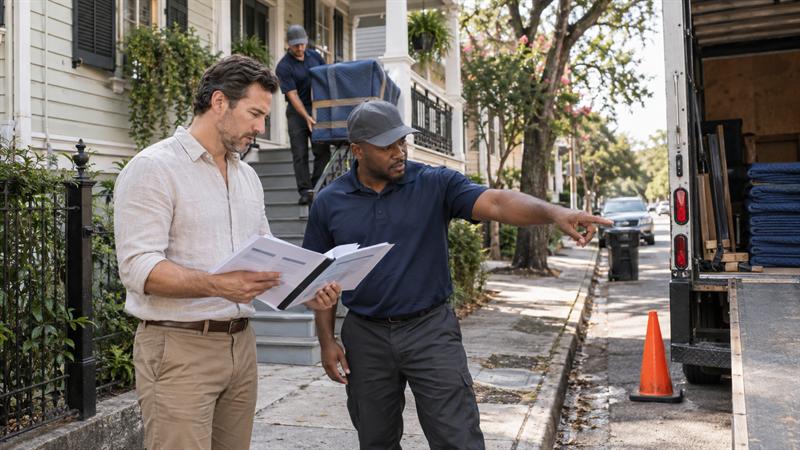
Apartment access, loading zones, building rules, parking distance, and truck access affect how long and how difficult a move becomes. A long carry from the truck to the entrance adds time and physical effort, especially for large or delicate belongings.
Check with building management about elevator reservations, move-in windows, loading areas, and parking requirements. If these details are not addressed, the move may be delayed before the first item is loaded.
Staircases, Elevators, Doorways, and Tight Turns
Floor level, stair count, elevator size, door width, hallway clearance, and tight turns help determine whether a piece can move through the building as-is. Measure unusually large items and identify the narrowest part of the route at both locations.
A sofa that clears the front door but cannot make the hallway turn can stop the move. Measurements and photos allow the moving team to consider the route before moving day.
Weather Exposure and Loading Conditions
Rain, heat, humidity, wet walkways, and long outdoor loading paths can affect timing and protection decisions. Fragile or moisture-sensitive belongings should be clearly identified when discussing the move.
Weather does not remove the need for preparation. Keep vulnerable items organized, protected, and easy to identify so they receive the appropriate attention during loading.
What to Tell Your Moving Company Before Moving Day
Give the moving company complete item and access details before the move is scheduled. This is a practical way to reduce surprises, delays, and avoidable changes on moving day.
Provide usable details rather than vague descriptions. “Large glass table” does not explain whether the table has removable legs, a second-floor pickup, narrow stairs, or a long path to the truck.
Details to Share for Each Specialty Item
- Clear photos from more than one angle.
- Approximate dimensions and known weight, if available.
- Whether the item is fragile, antique, damaged, unusually shaped, or has removable parts.
- Whether disassembly may be needed.
- Its current room and destination room.
- Stairs, elevators, narrow doors, tight turns, and building access details.
- Parking distance, loading rules, and elevator reservation requirements.
- Whether the item is moving directly to a new home or into storage.
Do not wait until moving day to mention a difficult item. Advance planning may be needed before the crew arrives if any of the following applies:
- The item is too large for a normal doorway or requires a tight turn.
- It has glass, delicate finishes, loose parts, or existing damage.
- It is on an upper floor, in a building with elevator rules, or far from available parking.
- It is headed to storage and needs inventory or careful labeling.
When these signs are present, the move benefits from advance planning. Include them when requesting a quote so the item, route, and available services can be discussed clearly.
How Professional Packing and Protective Supplies Can Help
Professional packing can be useful when an item is difficult to protect with ordinary household materials or when the customer does not have the time, supplies, or confidence to prepare it. Wrapping, padding, labeling, and securing removable components can support a more organized loading process.
Ask H and U Express Moving about packing services, protective supplies, and handling options for large or fragile items. These options can be useful when the item and its route need more preparation than a standard box-and-go move.
- Glass, mirrors, artwork, and delicate decor can benefit from controlled packing and clear identification.
- Large furniture with removable parts benefits from having hardware and components kept together.
- Items with fragile finishes can benefit from protection against rubbing and shifting.
- Storage-bound belongings benefit from labeling that supports later retrieval.
For help deciding whether packing support fits your move, see professional packing versus DIY packing for a move.
When a Standard Move May Be Enough
Many household items do not need specialty handling. Standard boxes, ordinary chairs, manageable tables, clothing, securely packed kitchen items, and routine furniture pieces can usually be handled through normal move planning.
Fragile does not always mean specialty service. A properly packed lamp or framed photo is different from a large mirror that must travel down a narrow stairwell. The goal is not to label every item as complex. The goal is to identify belongings that need more information, protection, or route planning before moving day.
Key Takeaways
- Specialty moving needs are based on handling complexity, not price alone.
- Heavy, fragile, oversized, awkward, or difficult-to-access belongings should be identified before booking.
- The route through doorways, stairs, elevators, parking areas, and loading spaces matters as much as the item itself.
- Photos, dimensions, condition notes, and access details help movers plan more accurately.
- Professional packing and protective supplies can be useful when an item needs more preparation than routine household goods.
Conclusion: Plan Early for Items That Need More Than Routine Handling
The challenge with specialty items is not simply that they are large or fragile. Issues can arise when the item, its condition, and its route are not discussed until moving day. That can lead to delays, difficult decisions at a doorway or stairwell, and less time to prepare the item properly.
Make a list of heavy, fragile, oversized, sentimental, or awkward belongings, take photos and measurements, and share access details before booking. H and U Express Moving can help customers discuss planning needs for large or fragile items, packing, protective supplies, or storage. Start by providing the details that determine what the move requires.
Frequently Asked Questions
What is considered a specialty item for movers?
A specialty item is generally a belonging that needs added planning because of its weight, size, fragility, unusual shape, disassembly needs, or difficult access route. Large furniture, mirrors, glass, antiques, appliances, bulky equipment, and items moving through narrow spaces are common examples. Take photos and measurements before requesting a quote so the item can be discussed clearly.
What items should I tell movers about before moving day?
Tell movers about heavy furniture, fragile glass, mirrors, antiques, large appliances, oversized electronics, bulky equipment, and any item with difficult access. Include dimensions, known weight, removable parts, stairs, elevators, tight turns, parking distance, and loading rules. Sharing this information before booking can reduce common move-day surprises.
Do fragile items always require specialty moving services?
No. Some fragile items need careful packing, padding, and labeling but do not require additional specialty handling. The deciding factors are the item’s size, materials, condition, shape, and the route it must travel. If a fragile item must go through narrow stairs or has exposed glass, identify it early so the handling plan can match the situation.
Can movers handle large furniture that will not fit through a doorway?
That depends on the furniture, the available clearance, whether components can be removed, and the moving company’s capabilities. Door widths, hallway turns, staircases, elevators, and detachable parts help determine what is practical. Measure the item and the route before booking because a piece that cannot clear the access path may require a different plan.
What information helps movers give a more accurate quote for specialty items?
Photos, dimensions, known weight, item condition, disassembly needs, floor level, stairs, elevators, parking distance, loading rules, and storage plans all help. These details show the team what labor, access planning, and protective supplies may be needed. Provide this information when requesting a moving quote instead of waiting until the crew arrives.
Should I pack specialty items myself or use professional packing services?
The right choice depends on the item’s fragility, shape, required protection, available time, and your comfort level with preparing it. Professional packing can be especially useful for delicate, awkward, or difficult-to-protect belongings that need wrapping, padding, labeling, or secured components. Include these items in your move inventory and ask H and U Express Moving which preparation option fits the move.