
Quick Answer: Most moving delays start with preparation, not the truck. Common mistakes like booking too late, underestimating packing time, and overlooking access details can slow the move down and increase costs.
At H and U Express Moving, these issues tend to show up before moving day. A move can look simple on the surface, but small planning gaps add up quickly. What starts as a few unfinished tasks can turn into delays, longer timelines, and more stress than expected.
This guide breaks down the most common moving mistakes, why they cause problems, and how to avoid them.
Why Moving Mistakes Lead to Delays and Higher Costs
Most delays begin before the movers arrive. They usually come from incomplete planning, rushed decisions, or missed logistics.
One of the biggest issues is underestimating how many details need to line up. Packing, labeling, access, timing, and inventory all affect how smoothly a move runs. When one part is off, the rest of the process slows down.
That creates a chain reaction. Movers may need to wait, boxes may be harder to place, and access issues can delay loading or unloading. Extra time on moving day often means higher labor costs and a more stressful schedule.
When preparation is inconsistent, the move becomes reactive instead of organized. That is usually where delays begin to stack up.
Mistake #1: Waiting Too Long to Book Movers
How timing affects availability and pricing
Booking late limits your options. Popular time slots tend to fill first, especially weekends and end-of-month dates. That can leave you with fewer scheduling choices and less time to prepare.
Late booking also compresses the rest of the planning process. When the timeline gets tighter, packing, logistics, and coordination are more likely to get rushed.
How to avoid last-minute scheduling issues
Booking early gives you more control over your move date and more time to get organized. It also makes it easier to coordinate packing, building access, and any storage needs.
If you’re planning a local move, reviewing professional home moving services early can help you set realistic timing and expectations.
Mistake #2: Underestimating How Much Needs to Be Packed
Why packing takes longer than expected
Packing almost always takes longer than people expect. Closets, kitchen items, storage spaces, and miscellaneous household items add more volume than most people plan for.
It is common to assume packing can be finished in a day or two, only to have it spill into moving day and slow everything down.
When professional packing becomes the better option
If packing is still underway when movers arrive, the workflow changes immediately. Crews may need to wait, work around unfinished rooms, or load in a less efficient order.
That is often where a manageable schedule starts to slip. Incomplete packing affects loading, timing, and overall coordination.
Using packing services for a faster move can help make sure everything is ready before loading begins.
Mistake #3: Poor Labeling or No Organization System
Unlabeled boxes slow down unloading. Movers need clear direction, or boxes may end up in the wrong rooms and need to be moved again.
This becomes even more noticeable in larger homes or multi-room moves. A simple labeling system makes unloading faster and makes unpacking easier later.
- Label every box with the destination room
- Use consistent names for each room
- Mark fragile, heavy, or priority items clearly
Without a clear system, unloading takes longer and creates extra work after the move.
Mistake #4: Not Decluttering Before the Move
Moving unnecessary items adds time at every stage. More items mean more packing, more loading, more unloading, and often more expense.
Decluttering is one of the easiest ways to simplify a move, but it is often left until too late or skipped altogether.
Reducing volume before moving day helps the entire process run more efficiently and makes settling in easier at the new place.
Mistake #5: Forgetting About Access and Logistics
Parking, stairs, and narrow streets
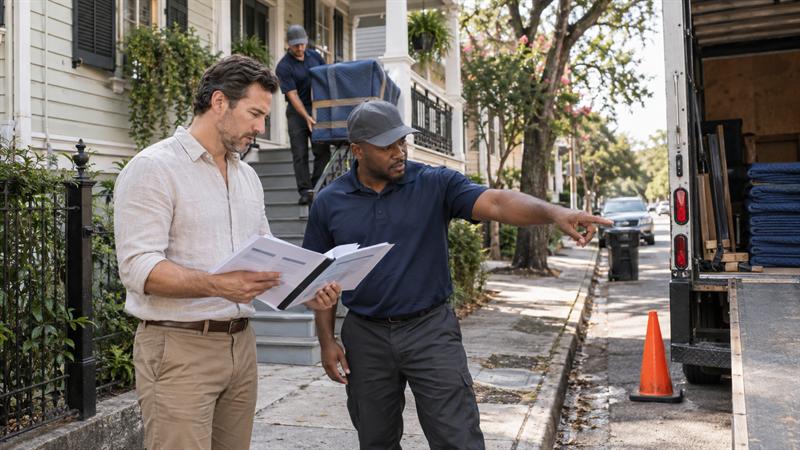
Access issues are a common cause of delays. Limited parking, long carry distances, stairs, and narrow streets can all slow down loading and unloading.
In areas like New Orleans, these details matter even more. Older neighborhoods and tighter streets often require extra planning ahead of time.
Building rules and time restrictions
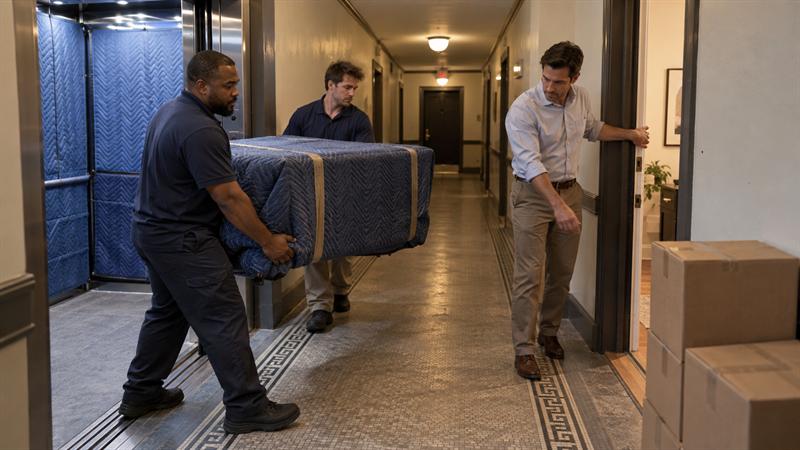
Some buildings require elevator reservations, certificates of insurance, or specific moving hours. Missing those details can delay the move or force last-minute adjustments.
Confirming access in advance is one of the simplest ways to avoid preventable slowdowns.
Mistake #6: Packing Fragile or Large Items Incorrectly
Common damage risks
Improper packing increases risk and usually slows handling. Fragile items need the right materials and secure packing so they can be moved efficiently.
When boxes are unstable or items are loosely packed, loading takes longer because everything has to be handled more carefully.
When specialty handling is necessary
Large, heavy, or delicate items often need the right equipment and a clear plan before moving day. Without that preparation, the move can slow down and become harder to manage.
For items that require extra care, handling of large or fragile items can help keep the process efficient and organized.
Mistake #7: Inaccurate Moving Estimates
Inaccurate estimates create problems early. If the inventory is larger than expected or key details are left out, the move may take longer than planned and require changes on the day of service.
Most estimate issues come from incomplete information during the quote process, such as missed furniture, storage contents, or access complications.
Providing clear details upfront and requesting a detailed moving quote helps set more accurate expectations for timing and cost.
Mistake #8: Leaving Packing Until the Last Minute
Last-minute packing disrupts the entire move. Movers cannot load efficiently if rooms are still being boxed up as the job begins.
This overlap slows the crew, creates confusion, and can extend the move well beyond the original schedule.
If time is running short, bringing in packing support may be the most practical way to get the move back on track.
Mistake #9: Not Planning for Storage Gaps
Move-out and move-in dates do not always line up. When there is a gap, your belongings need a temporary place to go.
Without a storage plan, people often end up making rushed decisions that add extra handling and unnecessary stress.
Using options like short-term storage or long-term storage can help keep the transition organized.
Mistake #10: Lack of a Clear Moving Day Plan
Without a clear plan, moving day becomes reactive. Time gets lost in repeated questions, missed steps, and last-minute decisions.
- Set a clear timeline for the day
- Assign key responsibilities in advance
- Confirm access, parking, and special instructions ahead of time
A simple plan keeps the move focused and helps everyone work more efficiently.
How to Build a Simple, Delay-Free Moving Plan
A smooth move comes down to coordination. Each step should support the next so there are fewer surprises on moving day.
A reliable plan includes:
- Booking movers early
- Completing packing before moving day
- Confirming access and logistics
- Planning for storage if needed
Following this structure helps reduce the issues that most often cause delays.
If you’re not sure where to start, this complete local moving checklist lays out each step clearly.
Key Takeaways
- Most moving delays start before moving day
- Preparation directly affects timing and cost
- Small planning gaps can create larger delays
- Clear information and early action help prevent most problems
Conclusion
Moving delays are rarely random. They usually come from missed steps, rushed timelines, or unclear planning. Once those problems start, they tend to affect both timing and cost.
The difference between a smooth move and a stressful one often comes down to preparation. Avoiding these common mistakes helps keep the process organized from start to finish.
At H and U Express Moving, the focus is on helping customers stay ahead of the issues that commonly slow a move down. Packing, logistics, timing, and storage all work better when they are planned together.
If you’re already dealing with unfinished packing, a tight timeline, or unanswered logistics questions, it is a good time to put a clearer plan in place.
Get a clear moving plan and quote before moving day becomes harder to manage.
Frequently Asked Questions
What are the most common moving mistakes?
Some of the most common moving mistakes include poor planning, underestimating packing time, booking movers too late, and overlooking access details. These issues can lead to delays, extra labor time, and a more stressful move.
How can I avoid delays on moving day?
Finish packing ahead of time, label boxes clearly, and confirm details like parking, building access, and timing before moving day. Most delays come from incomplete preparation rather than the move itself.
How far in advance should I book movers?
Booking several weeks in advance usually gives you better availability and more time to prepare. If you are moving during a busy period, booking earlier can give you more scheduling flexibility.
Is it better to pack yourself or hire professionals?
That depends on your timeline, budget, and how much you need to pack. Professional packing can be a practical option for larger moves, fragile items, or tight schedules.
What causes moving costs to increase unexpectedly?
Costs often increase when the inventory is larger than expected, access is more difficult than planned, or delays extend the total labor time. Accurate information upfront helps reduce surprises.
Do I need storage during a move?
Storage can be helpful when move-out and move-in dates do not align or when you need extra flexibility during the transition. Planning for it in advance usually makes the move easier to manage.