Quick Answer: Short-term storage is generally best when you need belongings available soon or need to bridge a temporary gap. Long-term storage is generally better for items you will not need regularly and can prepare for an extended stay. The key issue is not just how long items will be stored, but whether your packing, access plan, and move timeline fit what you will need later.
At H and U Express Moving, storage needs can change when a closing date moves, a renovation takes longer, or one home must be cleared before the next is ready. Choosing between short-term and long-term storage early helps keep essentials accessible, reduces unnecessary handling, and makes stored belongings easier to manage if plans change.
The Difference Between Short-Term and Long-Term Storage
Short-term storage generally supports a temporary transition. Long-term storage is generally used for belongings that will stay packed and out of regular use for a longer or less certain period. The better fit depends on your move date, how often you expect to retrieve items, and what you are storing.
Short-Term Storage Is Usually for a Temporary Gap
Short-term storage is usually practical when you expect to need your belongings again soon. It can help during a gap between move-out and move-in dates, a lease change, a home repair, or a renovation that requires furniture and boxes to be moved out of active areas.
It also gives households flexibility while plans are still taking shape. If your next address or move-in date is not final, storage can hold items you do not use every day while essential belongings stay close by.
Long-Term Storage Is Usually for Items You Will Not Need Regularly
Long-term storage can make more sense for household goods you will not access often. This may include furniture during an extended relocation, belongings kept while downsizing, inherited items that need sorting, or seasonal and sentimental possessions intended for future use.
Longer storage requires more preparation. Boxes need clear labels, fragile items need deliberate protection, and your inventory should still make sense months later. Without that organization, locating one needed item can mean opening and moving several boxes.
Short-Term vs. Long-Term Storage at a Glance
The clearest way to compare short-term and long-term storage is to look at access and planning, not only the calendar.
- Typical purpose: Short-term storage can bridge a move, renovation, or temporary space issue. Long-term storage holds belongings that are not part of daily life right now.
- Access needs: Short-term storage usually calls for easier retrieval. Long-term storage is a better fit when frequent access is unlikely.
- Timeline certainty: A stable, brief timeline may need simple organization. An uncertain timeline should be packed as though it could last longer.
- Packing approach: Both options require protection, but long-term storage calls for durable boxes, detailed labels, and careful placement.
- Inventory needs: A basic list helps with any storage plan. A detailed inventory becomes more important when items will be stored for months.
- Moving coordination: Short-term storage often connects directly to a move-in date. Long-term storage requires a plan for what stays with you, what goes into storage, and what will return to the home later.
A common mistake is treating a short storage period as if it needs no organization. A two-week gap can extend when a closing, repair, or renovation schedule changes, and poorly labeled boxes can become difficult to manage. Before choosing an arrangement, learn how moving and storage services work together during a household transition.
When Short-Term Storage Is Usually the Better Fit
Short-term storage is most useful when the next step is close but the timing does not line up exactly. You need a place for belongings, but you also need a plan for retrieving them without disrupting the rest of the move.
You Are Between Move-Out and Move-In Dates
When one home must be cleared before the next home is ready, short-term storage can bridge the gap. It gives household belongings a temporary place instead of forcing a rushed decision about where furniture and boxes should go.
Separate what travels with you from what goes into storage. Important documents, medications, work items, basic kitchen supplies, and everyday clothing should not be mixed into storage-bound boxes. If they are, the first days after a move can become more difficult.
A Renovation Requires Temporary Space at Home
Renovations can create space problems quickly. Furniture and household goods may need to leave active work areas, but they still need to return in usable condition once the project is complete.
Because project schedules can change, temporary storage should still be organized carefully. Label boxes by room and key contents from the beginning. This helps prevent a short renovation project from turning into a search through unidentified boxes later.
You Need Flexibility While Plans Are Still Changing
Sometimes storage is needed before the full moving plan is known. A new home may not be finalized, a work schedule may shift, or a household may need more time to decide what moves forward.
In that situation, separate storage items before moving day. This can reduce repeat handling because the items you need right away remain accessible while the rest of the household is packed for storage.
You Expect to Retrieve Items Soon
If you expect to retrieve items during the transition, pack with access in mind. Keep frequently needed boxes clearly marked and positioned where they can be reached without moving everything else.
Keep these items out of storage whenever possible:
- Important documents
- Medications and personal care essentials
- Everyday clothing
- Basic kitchen items
- Work equipment
- Children’s school or comfort items
- Valuable items that should remain in your possession
For a move gap or another temporary transition, H and U Express Moving offers short-term storage during a move so household goods can remain part of an organized moving plan rather than becoming a last-minute task.
When Long-Term Storage May Make More Sense
Long-term storage is generally more practical when items will remain out of regular use and you do not expect to retrieve them frequently. It requires a more complete packing plan because the condition and location of each item should still be clear later.
You Are Downsizing but Need More Time to Decide
Downsizing does not always allow for immediate decisions about furniture, keepsakes, and family belongings. Storage can provide time to sort through items without making rushed choices during an already demanding move.
Review stored belongings periodically so you can decide what still belongs in the plan and what is ready to be donated, passed along, or moved into the new home.
You Are Relocating or Traveling for an Extended Period
An extended relocation requires more than putting boxes out of sight. Furniture, household goods, and personal belongings should be packed so they remain identifiable and protected when you return.
This is where a detailed inventory is especially helpful. If someone needs to locate a specific item while you are away, clear labels and an item list can reduce the need to open multiple boxes.
You Are Storing Inherited Household Belongings
Inherited belongings often require time and careful sorting. Families may need to identify what should be kept, shared, donated, or moved before making final decisions.
A deliberate storage plan gives those items a clear place while reducing rushed handling. Documenting major items and labeling boxes carefully can also help prevent confusion when several family members are involved.
You Have Seasonal, Sentimental, or Infrequently Used Items
Seasonal décor, extra furniture, keepsakes, hobby equipment, and household goods intended for a future home can be good candidates for long-term storage. The deciding factor is whether those items are truly out of regular use and whether they are packed for a longer wait.
For households that need a longer holding plan, H and U Express Moving provides long-term storage options for household belongings as part of a broader moving transition.
What Changes When Belongings Will Be Stored Longer?
Longer storage requires more than choosing a different rental period. It changes how items should be cleaned, packed, labeled, protected, and placed before they leave the home.
Packing Materials and Box Condition Matter More
Use sturdy boxes that fit the contents, and avoid packing damaged, damp, or unclean items. Sealing moisture or dirt into a box can create problems that remain throughout the storage period.
Problems can increase when boxes are overloaded or reused after they have weakened. If a box fails during retrieval, nearby belongings can be affected and the contents may need to be sorted and repacked.
Detailed Labels and an Inventory Become More Valuable
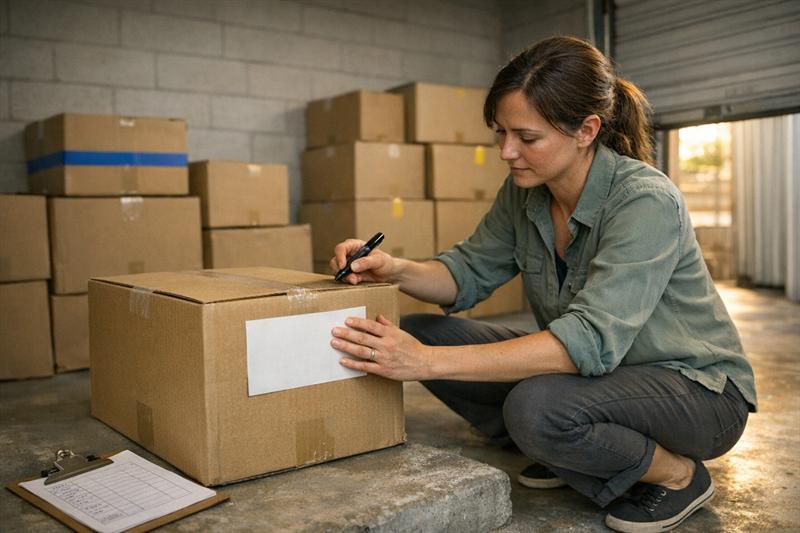
Long-term storage needs labels that answer more than “what room did this come from?” Include the general category, key contents, and handling notes when useful. A box marked only “kitchen” is harder to use when you need to find a specific appliance or set of dishes months later.
Create a basic inventory before storage and consider taking photos of major items or box labels. This record can reduce unnecessary handling and help you make informed decisions when it is time to retrieve, move, donate, or reorganize stored belongings.
Furniture, Fragile Items, and Electronics Need Thoughtful Preparation
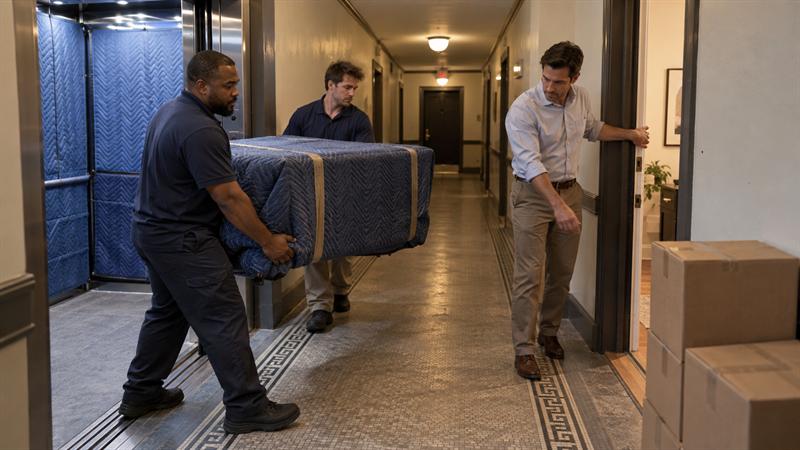
Furniture and fragile household goods need appropriate protective materials and a careful loading order. Clean and dry items first, protect delicate surfaces, and avoid placing heavy boxes on top of fragile cartons or vulnerable furniture.
Electronics and appliances should be handled according to relevant manufacturer guidance. Large, delicate, or unusually shaped items also need a plan before moving day because rushed handling can create avoidable damage. For additional preparation guidance, review how to pack fragile items safely for moving.
Plan for Items That May Need Extra Protection
Documents, photographs, artwork, instruments, electronics, upholstered furniture, antiques, and similar belongings need more careful storage planning. Confirm the storage provider’s conditions and current rules for sensitive items before packing them away.
In the New Orleans area, thoughtful preparation is especially important for belongings that are sensitive to moisture. Make sure items are clean, dry, properly protected, and suited to the storage conditions you are arranging.
Know What Should Not Be Placed in Storage
Storage providers commonly restrict hazardous, perishable, prohibited, or otherwise unsuitable items. Do not assume every item from a home can go into storage without review.
Check the provider’s current agreement before packing. This can help prevent restricted items from delaying the move or requiring last-minute repacking after loading has begun.
If your storage plan includes fragile furniture, boxes you will not open for months, or a move date that is still changing, give the packing plan attention before loading begins.
- Your boxes are labeled only by room, not by useful contents.
- Essential items are mixed with belongings intended for storage.
- Large or fragile items have no protection plan.
- You do not have an inventory of what is leaving the home.
These signs usually mean more organization and protective packing are needed now. Waiting until the unit is full can lead to extra handling, hard-to-find belongings, and a more difficult move later.
How to Choose the Right Storage Option for Your Move
The most practical storage choice becomes clearer when you answer five questions before packing begins.
Ask These Five Questions Before Choosing Storage
- Do you know your next move date? If the date could shift, pack with an extended timeline in mind.
- Will you need regular access to stored belongings? If yes, keep those items separate and easy to reach.
- Are you storing a few items or much of the household? A larger volume requires a clearer inventory and loading sequence.
- Which belongings need careful handling? Fragile, oversized, upholstered, or sensitive items need more deliberate protection.
- Would coordinated moving, packing, and storage reduce repeat handling? If belongings would otherwise be loaded, unloaded, and repacked several times, one plan can create a cleaner transition.
If Your Answers Point in Different Directions
Some households need a blended plan. Keep documents, daily items, and regularly used belongings accessible while placing furniture, seasonal goods, and infrequently used boxes into longer-term storage.
The decision does not need to follow a strict timeline label. It needs to match how your household will use the stored items. If access matters, organize for access. If retrieval is far off, prepare for protection and clear identification.
Storage Planning Mistakes That Can Create More Work Later
Storage problems often begin before anything reaches the unit. They can begin when households pack quickly without deciding what must stay accessible and what can remain stored for an extended period.
Mixing Essentials With Long-Term Items
When essential documents, work items, or daily supplies are mixed into long-term storage, you may need to search through packed belongings to retrieve them. Pack an essentials group separately before movers begin loading.
Choosing Space Before Making an Inventory
Choosing storage space without a basic inventory makes it harder to understand what is actually going into storage. The result can be rushed packing and items stored simply because there was no time to sort them.
Using Labels That Are Too Vague
A label that says “bedroom” or “kitchen” does not identify what is inside. Add key contents and handling notes so the label remains useful when the box is retrieved later.
Waiting Until Moving Day to Decide What Goes Into Storage
This is a common pattern when a move timeline is tight. Rushed sorting can lead to missing essentials, unclear boxes, and unnecessary handling because decisions are being made while loading is underway.
Assuming a Short-Term Plan Cannot Change
A temporary arrangement can extend when move dates change. Pack short-term storage with enough organization to support a longer stay, especially when the timeline is not fully confirmed.
Coordinating Moving, Packing, and Storage in New Orleans
Storage is usually one part of a larger residential transition. A more organized approach starts by deciding what stays with the household, what goes into storage, what needs protective packing, and what will need to be delivered later.
H and U Express Moving offers home moves, short-term storage, long-term storage, packing services, and handling for large or fragile items. Coordinating those services can give customers a clearer starting point while they plan the moving and storage stages together.
When storage is planned before moving day, boxes can be labeled for their destination, fragile pieces can be prepared properly, and essentials are less likely to be packed into a storage load. This can reduce the repeat handling that creates delays and confusion.
Key Takeaways
- Short-term storage works best for temporary transitions, uncertain schedules, and belongings you may need soon.
- Long-term storage fits items that will not be accessed regularly and can be packed for an extended stay.
- Detailed labels, inventories, durable boxes, and protective materials become more important as storage time and timeline uncertainty increase.
- The right choice depends on access, item type, and your full moving plan, not duration alone.
Conclusion: Choose Storage Based on Your Next Step, Not Just Today’s Deadline
The real storage problem is not finding a place for boxes. It is avoiding a move plan that leaves essentials buried, fragile items underprotected, and stored belongings difficult to locate when timelines change. Those details can lead to repeat handling, rushed repacking, and more work when it is time to move again.
H and U Express Moving can help when your move involves a storage gap, an extended transition, fragile household goods, or uncertain dates. Review what must remain accessible, make an inventory of what will be stored, and arrange your moving, packing, and storage plan before loading day.
Frequently Asked Questions About Short-Term and Long-Term Storage
How long is short-term storage?
Short-term storage generally supports a temporary need, such as a gap between homes, a renovation, or a delayed move-in. Exact terms vary by provider, but the deciding factor is whether you expect to need your belongings soon.
For example, a household waiting a few weeks for a new home should still label boxes clearly if the move-in date could change. Keep daily essentials separate so they do not end up in the storage load.
When does short-term storage become long-term storage?
Short-term storage becomes long-term storage when items are no longer expected to be retrieved regularly and need to remain packed for a less certain or extended timeline. It is a planning change more than a fixed number of days.
If a renovation extends or a closing shifts, vague labels and weak packing become harder to manage. When the timeline is unclear, prepare storage-bound items with long-term organization from the start.
Is short-term storage cheaper than long-term storage?
Storage costs depend on location, space, availability, access arrangements, rental terms, and storage conditions. One option is not automatically less expensive than the other.
The more useful comparison is the full plan. A low unit rate does not solve the problem if the household needs more space, careful packing, or repeated loading and unloading. Make an inventory first, then compare current provider terms.
What should I keep out of storage during a move?
Keep important documents, medications, clothing, basic kitchen supplies, work equipment, and other everyday essentials out of storage. These items should travel with you or remain immediately accessible.
This prevents a common moving problem: needing a laptop, document, or daily item that is buried in a storage box. Build an essentials list before packing begins.
How should furniture be prepared for long-term storage?
Furniture should generally be cleaned and dry before storage, protected with appropriate materials, and positioned so delicate surfaces are not under unnecessary pressure. Large and upholstered items need particular attention during wrapping and loading.
Heavy boxes placed on vulnerable furniture or fragile cartons can cause damage that may not be noticed until retrieval. Identify oversized, delicate, or moisture-sensitive pieces before moving day and plan their handling accordingly.
Do I need professional packing for storage?
Professional packing is not required for every storage need, but it can be useful for fragile items, large household moves, and situations where storage preparation must be coordinated with moving day.
Artwork, electronics, delicate furniture, and other fragile belongings need suitable protection if they will remain packed for months. Review those items before finalizing your storage plan so they receive appropriate handling from the beginning.